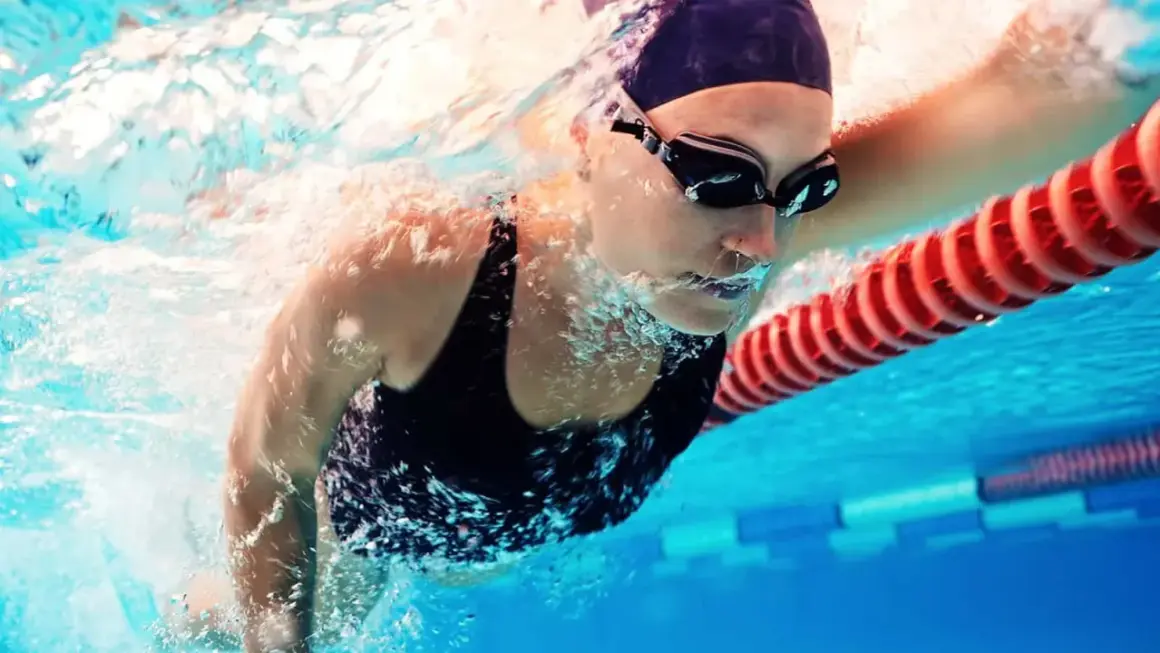
Can boxers swim? Yes, and when I use swimming in a boxing program, I use it for one clear purpose: conditioning that is hard on the lungs but easy on the joints. It is especially useful when road work starts to pile up fatigue in the shins, knees, and hips, or when I want extra aerobic work without another pounding session. The catch is simple: swimming supports boxing fitness, but it does not replace punching, footwork, or sparring rhythm.
Swimming works best as support, not as a replacement
- Swimming builds aerobic capacity with far less impact than extra road work.
- It adds shoulder, trunk, and breathing endurance that transfers well to long rounds.
- It works best as a complement to boxing-specific work, not as a substitute for it.
- One weekly session is enough for many fighters; two only makes sense when recovery stays strong.
- Hard pool sessions can help camp, but only if they do not dull sparring or pad work.
Why swimming belongs in a boxer’s conditioning mix
I treat pool work as a low-impact engine builder. The buoyancy of water reduces ground impact, while the resistance keeps the body working from the first length to the last. That combination matters for boxers because the sport asks for repeated bursts, quick recovery between exchanges, and the ability to stay relaxed under fatigue.
Swimming also forces better breathing rhythm. You cannot rush through a swim the same way you can on a treadmill, so the athlete has to manage exhale, tension, and pace. That does not make a boxer more technical, but it can make him or her more composed in hard rounds.
The Cleveland Clinic notes that water gives you both buoyancy and resistance, which is why swimming feels easier on the body while still demanding real work. In boxing terms, that means you can build capacity without constantly paying for it in joint stress. That makes it a useful tool, but the real question is what it trains better than other common conditioning methods.
What swimming trains better than road work
Swimming is not just cardio in water. It stresses the upper back, shoulders, trunk, hips, and breathing pattern at the same time, which is one reason it feels so complete. For boxers, the biggest gains usually show up in aerobic capacity, breath control, and the ability to keep output steady across repeated efforts.
| Training tool | Main upside | Main limitation | Best use for boxers |
|---|---|---|---|
| Swimming | Low impact, full-body resistance, strong breathing demand | Less direct transfer to footwork and punch rhythm | Base conditioning, recovery, joint-friendly volume |
| Road work | Simple, cheap, effective steady aerobic volume | More repetitive impact on the lower body | General endurance, weight management, mental toughness |
| Jump rope | Rhythm, foot speed, calf endurance, warm-up value | Limited upper-body conditioning | Boxing cadence, coordination, session prep |
If I had to simplify the tradeoff, I would say this: swimming is one of the best ways to push the heart and lungs without adding a lot of impact. That matters when a fighter already has plenty of impact from bag work, sparring, strength training, and ring movement. The downside is equally important, because the pool does not teach distance control, punch timing, or the pressure response of an actual exchange. That gap is what keeps swimming in the support role.
Where swimming falls short in fight preparation
Swimming can be excellent conditioning, but it is not a substitute for the qualities that win rounds. It does not teach foot placement, punch mechanics, or the ability to keep your hands sharp while moving under pressure. For that reason, I never let pool work crowd out mitts, bag work, shadowboxing, or sparring.
- Less sport transfer. The breathing challenge is real, but it is not the same as absorbing contact and returning fire.
- Shoulder fatigue can build quickly. Boxers already keep the guard up and throw repeated punches, so too much freestyle volume can leave the shoulders flat.
- Technique matters more than people think. A sloppy stroke turns conditioning into survival swimming, which is usually not what a boxer needs.
- Hard pool work can drain the next session. If the swim is too intense, the legs and shoulders may feel dull the next day.
I use swimming with a clear job, not as extra punishment. That means the session has to fit the phase of training, which is where programming makes the difference. Once that is clear, the pool becomes a tool instead of a distraction.
How I would program pool work across a camp
For most boxers, one swim per week is enough to matter. In a heavier aerobic phase, two sessions can work, but only if they do not compromise the quality of sparring or pad work. ACSM's general guideline for adults is 150 minutes of moderate aerobic activity per week or 75 minutes of vigorous work, but a fighter usually spreads that load across several methods instead of trying to force it all into one pool block. I also use RPE, or rate of perceived exertion, which is the simple 1-to-10 effort scale that makes programming easier when heart-rate data is not available.
Aerobic base session
Use 20 to 30 minutes of steady swimming at a controlled pace, or 4 to 6 x 100 yards with 30 to 45 seconds of rest. The effort should sit around RPE 5 to 6. I want the boxer to finish better than he started, not redline the shoulders on the first length.
Fight-round interval session
Use 6 to 10 rounds of 50 yards hard with 20 to 30 seconds rest, or 3-minute swims followed by 1 minute easy if the athlete has enough technique to hold form. This version is useful because it mirrors the work-rest feel of boxing rounds. I like it most for advanced athletes who can keep technique stable when breathing gets ugly.Read Also: Neck Curls - Build a Bulletproof Neck for Combat Sports
Recovery session
Use 10 to 15 minutes of relaxed swimming, aqua jogging, or easy drills. This is the version I reach for after hard sparring or a taxing strength day, because it keeps blood moving without adding a second punishment session. If the shoulders feel heavy, the recovery swim should feel almost boring.
The rule I keep coming back to is simple: the pool should make the boxer more available for boxing. If it makes the next technical session worse, the dose is too high and the timing is wrong. That idea leads straight into the mistakes that most often ruin the benefit.
Common mistakes that turn swim work into junk volume
- Swimming hard every time. Not every pool session should feel like a test. If every workout is anaerobic, the boxer gets tired instead of fitter.
- Ignoring stroke quality. Poor mechanics raise fatigue without giving much extra conditioning value.
- Using the pool to replace boxing-specific work. Swimming is support work, not the main event.
- Doing too much upper-body volume. Boxers need fresh shoulders for punching, guarding, and defensive reactions.
- Scheduling it too close to sparring. A hard swim the day before sparring often costs more than it gives.
The fix is usually boring, but it works: fewer sessions, better timing, and a clearer purpose for each one. Once that is in place, swimming becomes a tool that supports camp instead of competing with it. That is the version I would keep when the goal is real fight preparation.
The version of swimming I would actually keep in camp
If I were building a practical boxing camp, I would keep swimming in the program only when it solves a real problem: too much joint stress, a need for extra aerobic work, or a recovery week that still needs structure. In that setup, one thoughtful swim session a week is often enough, and a second session is only justified if the athlete is recovering well and still performing strongly in the ring. I would also trim pool volume in the final 10 to 14 days before a bout unless the boxer already knows exactly how his body responds to it.
The best answer is not that swimming is magical, and not that it is unnecessary. It is that swimming can be a sharp conditioning tool when it is treated like one. Used with restraint, it builds capacity, protects the body, and leaves more energy for the work that actually decides fights.