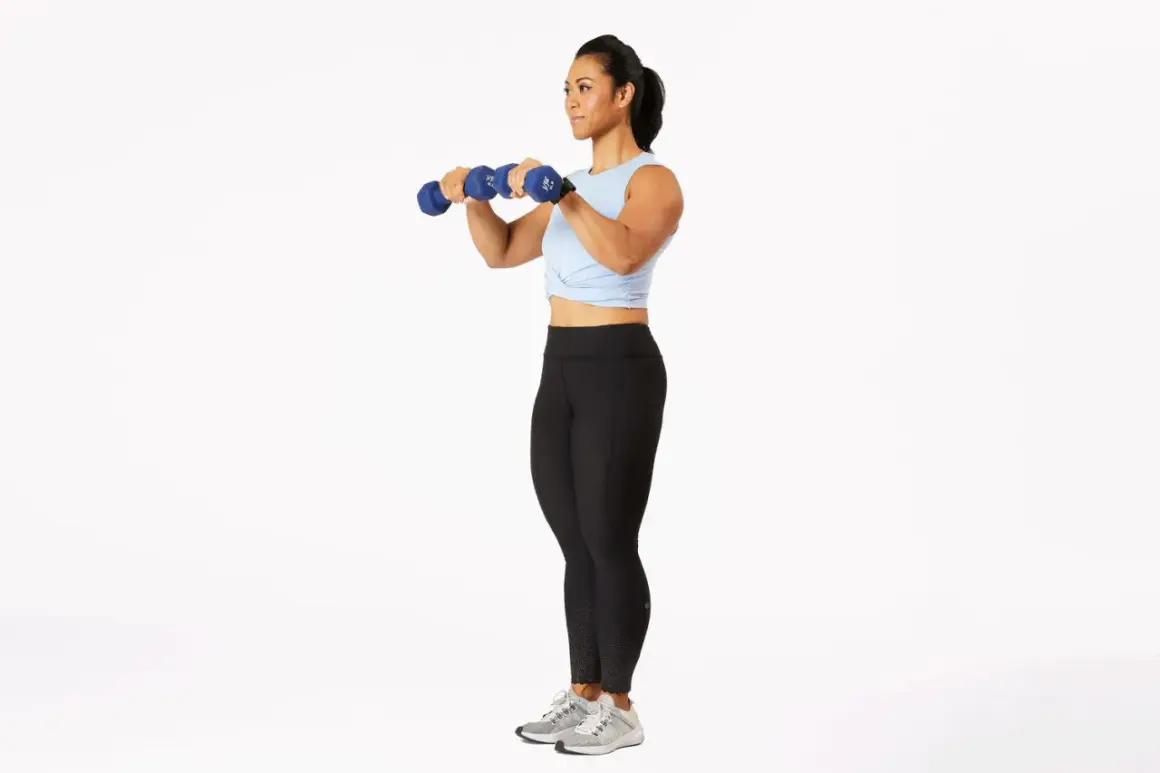
Stronger arms are built with a mix of presses, pulls, carries, and recovery, not endless high-rep kickbacks. The practical answer to how to get stronger arms for a girl is simpler than most people think: train the upper body in a way that improves both muscle and control, so the work carries over to daily lifting, pushing, pulling, and conditioning. For women who want real arm strength, the goal is not just shape; it is usable force, better endurance, and joints that can handle more work.
The fastest route to stronger arms is to train the whole upper body
- 2 training days per week is the minimum useful dose; 2 to 3 is better if recovery is solid.
- Push, pull, press, and carry beat endless isolated arm work.
- 4 to 6 reps builds strength fastest on main lifts; 8 to 12 reps is the sweet spot for most accessory work.
- Progress one variable at a time, usually reps before weight.
- Protein, sleep, and rest decide whether the work actually turns into stronger arms.
Why stronger arms are built from the whole upper body
If you only chase biceps curls, you miss most of what actually makes arms feel strong. The biceps bend the elbow, but the triceps drive pressing and locking out, the shoulders help you lift overhead, and the upper back keeps the whole system stable.
- Biceps help with pulling, rowing, and gripping.
- Triceps matter for push-ups, presses, dips, and striking volume.
- Shoulders hold the arm in position and make overhead work possible.
- Upper back and lats give your arms a strong base to pull from.
- Forearms and grip help every dumbbell, barbell, carry, and clinch-style movement.
That is why I treat arm training like upper-body conditioning: one push, one pull, one isolation move, and one loaded carry usually beat a random pile of light exercises. Once that idea clicks, exercise selection gets much easier.
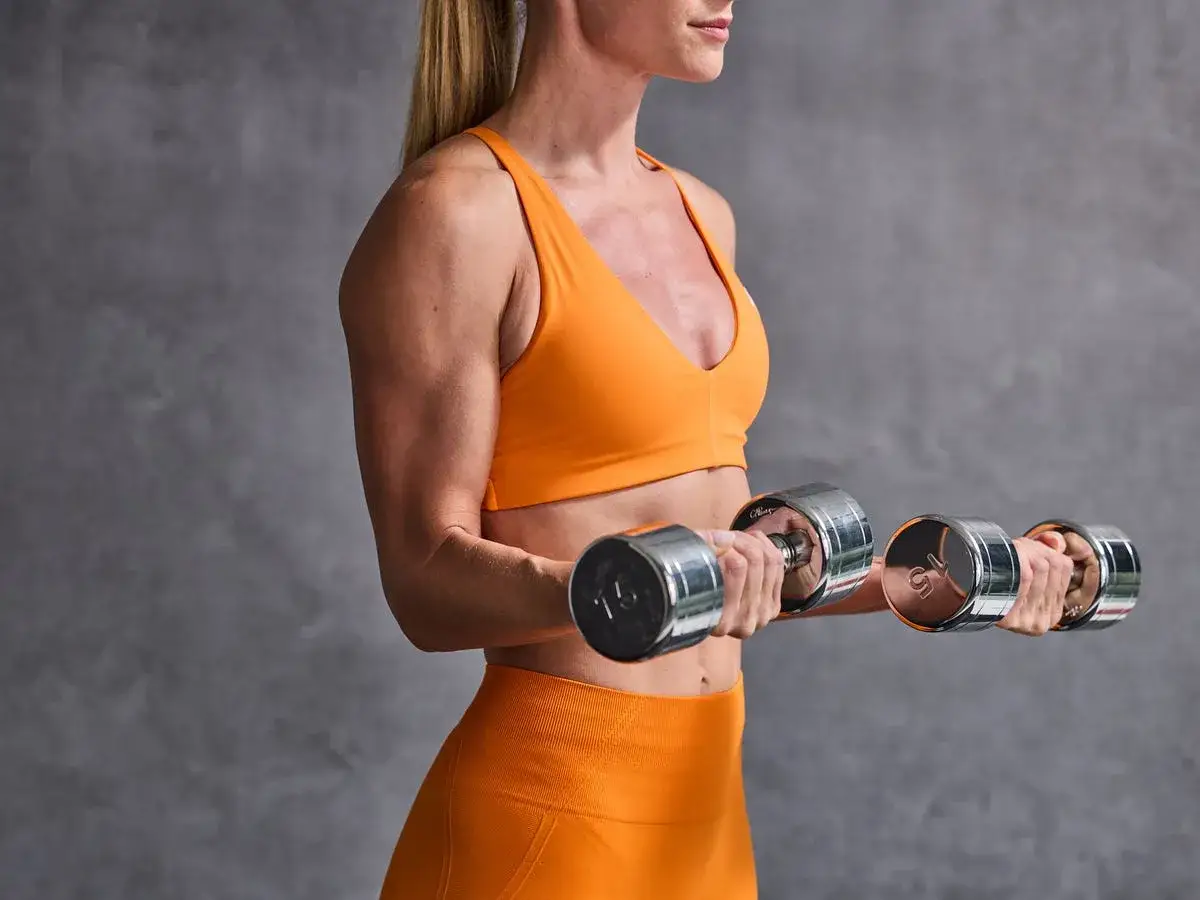
The exercises that actually build arm strength
I like to build from movements that give the most return for the least fluff. These are the exercises I reach for most often when the goal is stronger, better-conditioned arms rather than a pump that fades by tomorrow.
| Exercise | Main job | Why it matters | Best use |
|---|---|---|---|
| Incline push-up or standard push-up | Chest, triceps, shoulders | Builds pressing strength and body control | Use early in the workout while fresh |
| One-arm dumbbell row | Upper back, lats, biceps, grip | Balances all the pressing and supports posture | Great if you sit a lot or train grappling |
| Dumbbell shoulder press | Delts, triceps | Improves overhead strength and shoulder stability | Keep ribs down, do not turn it into a back bend |
| Hammer curl | Biceps, brachialis, forearms | Helps arm thickness and grip carryover | Easy to load without irritating the wrist |
| Overhead triceps extension | Triceps long head | Hits the back of the arm hard, which many women want | Use a dumbbell or band |
| Farmer carry | Grip, forearms, shoulders, core | Turns strength into conditioning | Use as a finisher or a short work interval |
If you only have one pair of dumbbells, start with rows, presses, curls, and carries. That small list covers most of the strength you are trying to build, and it works just as well at home as it does in a gym.
Compound lifts, meaning exercises that use more than one joint and muscle group at once, should usually come first in the session. The next question is how often to do them and how hard each set should be.
How to set up a weekly plan that works
According to the CDC, adults need muscle-strengthening work on at least 2 days each week. The ACSM's 2026 update adds useful detail: if pure strength is the priority, heavier loads around 80% of 1RM are the right lane, while muscle growth responds well to roughly 10 weekly sets per muscle group. A 1RM, or one-repetition maximum, is the most you can lift once with good form.
| Goal | Weekly structure | Rep range | Rest |
|---|---|---|---|
| Strength first | 2 upper-body days, main lifts first | 4 to 6 on presses and rows | 90 to 120 seconds |
| Strength plus shape | 2 to 3 sessions, compounds plus accessories | 8 to 12 on most work | 60 to 90 seconds |
| Conditioning bias | Short circuits with carries or shadowboxing finishers | 10 to 15 or timed sets | 30 to 60 seconds |
For most beginners, I would keep it simple: two lifting days, one optional conditioning finisher, and a third short session only if recovery feels easy. That is enough frequency to grow, but not so much that your elbows and shoulders spend the week recovering from themselves.
Once the structure is set, progress is just a matter of adding the right amount of stress.
How to progress without irritating elbows or shoulders
Progressive overload is the boring part that works. I usually tell people to add one rep at a time until they reach the top of the range, then move up to the smallest weight jump available; chasing huge jumps too early is how form breaks down.
- Keep 1 to 3 reps in reserve on most sets, especially if you are new.
- Pair pushing with pulling so the shoulders stay balanced.
- Use a neutral grip on curls or presses if your wrists or elbows feel cranky.
- Rest 48 hours before training the same area hard again.
- Stop for sharp pain; discomfort from effort is normal, joint pain is not.
For dumbbells, a 2.5 to 5 pound jump per hand is often enough to keep progress moving. A five-minute warm-up is usually enough too: arm circles, band pull-aparts, scapular push-ups, light rows, and one easy set of each main movement. That small investment does more for longevity than trying to power through a bad first set.
Fuel and recovery make the difference between training and adapting
Arm strength is not built during the set; it is built after the set, when the body repairs what you asked it to do. If recovery is weak, your numbers will flatten no matter how good the plan looks on paper.
| Recovery lever | Useful target | Why it matters |
|---|---|---|
| Protein | About 1.2 to 1.7 g per kg of body weight daily | Supports repair and muscle growth |
| Meals | Spread protein across 3 to 4 meals | Helps you hit the total without forcing giant portions |
| Sleep | 7 to 9 hours per night | Improves recovery, performance, and appetite control |
| Rest days | At least 1 full day between hard upper-body sessions | Keeps joints and tendons happier |
As a practical benchmark, a 150-pound woman is usually looking at roughly 82 to 116 grams of protein per day with that range. If you train hard but eat too little, the first thing to suffer is usually output in the gym, not your motivation.
Hydration, carbs, and enough total calories also matter more than many people expect, especially if your sessions include carries, intervals, or bag work. Once recovery is under control, the final step is putting the whole thing into a repeatable plan.
A four-week starter workout you can repeat
This is the exact template I would use for a beginner or a busy woman who wants stronger arms without living in the gym. Do it twice a week for four weeks, leave at least one day between sessions, and keep the weights challenging but clean.
| Move | Sets and reps | Notes |
|---|---|---|
| Incline push-up or dumbbell floor press | 3 x 8-12 | Press hard without losing core tension |
| One-arm dumbbell row | 3 x 8-12 each side | Pause for one second at the top |
| Standing dumbbell shoulder press | 3 x 6-10 | Use a load you can control without leaning back |
| Hammer curl | 2-3 x 10-12 | Keep elbows close to the body |
| Overhead triceps extension | 2-3 x 10-12 | Move slowly and avoid flaring the elbows |
| Farmer carry | 3 rounds of 30-45 seconds | Walk tall, ribs down, shoulders packed |
Week to week, add a rep or two before adding weight. If the last set of the exercise feels comfortable, that is your signal to move the load up next time; if it feels sloppy, stay where you are and earn the upgrade first. For conditioning-focused training, I like to finish with carries or 30 to 45 seconds of shadowboxing instead of piling on more curls, because that work teaches the arms to stay useful when you are tired.
Keep the plan boring for a month, then make one honest upgrade, such as slightly heavier dumbbells, one extra set, or a harder push-up variation. That is usually enough to keep the arms getting stronger without turning every workout into guesswork.