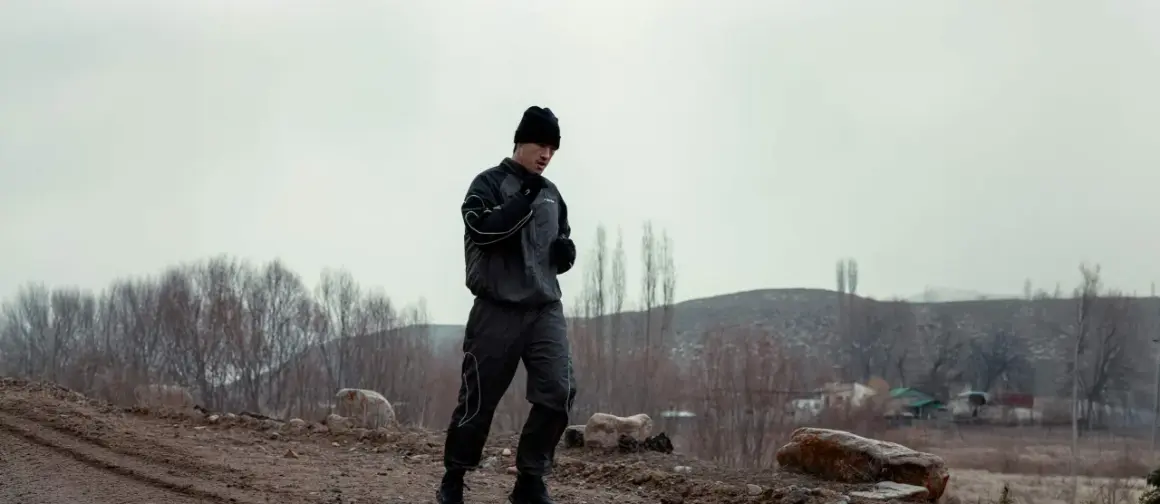
There is a simple answer to why do boxers run in hoodies: they use the extra layer to trap heat, increase sweat, and make roadwork a tougher conditioning tool. The useful part is not the garment itself; it is the way it changes temperature stress, effort, and short-term body weight. I want to separate the real training value from the habits that only feel productive.
Boxers use hoodie runs to create heat, sharpen conditioning, and manage short-term weight
- A hoodie raises thermal stress, so the same run feels harder and produces more sweat.
- The scale may drop temporarily, but that is mostly water loss, not fat loss.
- Repeated heat exposure can improve heat tolerance when it is added in a controlled way.
- It is most useful in camp or pre-weigh-in phases, not as a replacement for real conditioning work.
- Overheating and dehydration are the main risks, especially in hot or humid weather.
What the hoodie actually changes during roadwork
A hoodie does one main job: it reduces the body’s ability to dump heat. That means your core temperature rises sooner, your sweat rate usually goes up, and the run starts to feel more demanding even if your pace has not changed. In boxing terms, that extra stress can make a light jog feel like a serious conditioning session.
What it does not do is magically turn sweat into fat loss. Sweat is a cooling response. If you rehydrate properly, the lost scale weight comes back quickly. The hoodie changes the environment around the body, not the basic math of energy balance.
| What changes | What you feel | What it means | What it does not mean |
|---|---|---|---|
| Heat retention | You warm up faster | Useful for cool mornings and early roadwork | It is not a shortcut to better aerobic fitness |
| Sweat rate | You feel drenched sooner | Can help create a harder training stimulus | It is not the same as burning more fat |
| Thermal stress | The run feels tougher | Can support heat acclimation over time | One sweaty session does not equal adaptation |
| Body mass | The scale can drop after training | Helpful for short-term weigh-in management | That loss is usually mostly water |
That is the core idea: the hoodie increases stress, not magic. Once that is clear, the next question is why fighters still keep using it when they already know the run will feel harder.
Why fighters still reach for it in camp
I usually see four reasons behind the choice, and they are not all about weight cutting. Some are practical, some are psychological, and some are just habit that survived because it works often enough to stay in the routine.
- Faster warm-up - In cooler weather, a hoodie helps a boxer get loose sooner. That matters when the first few minutes of a run are about waking the body up, not chasing pace.
- Heat acclimation - Repeated exposure to heat can teach the body to handle warm conditions better. Over roughly 1 to 2 weeks of consistent exposure, athletes often notice earlier sweating and less strain at the same pace.
- Short-term scale management - According to the Gatorade Sports Science Institute, many combat athletes aim to lose about 5 to 8 percent of body mass in fight week, although the safest approach depends on the timing of the weigh-in. A hoodie can help create some temporary water loss, but that is a narrow tool, not a full strategy.
- Mental conditioning - Training while mildly uncomfortable can sharpen focus. I like that idea when it is controlled. I do not like it when discomfort becomes the goal itself.
The important part is that none of those reasons justify using the hoodie on every run. It only makes sense when the session has a clear purpose. That leads straight into the bigger conditioning question: what is this actually training?
How it fits into real boxing conditioning
Boxing conditioning is not just about being able to jog longer than the next fighter. It is about maintaining pace, recovering between bursts, keeping good mechanics, and staying calm when fatigue starts to bite. Roadwork supports that, but roadwork alone does not build a boxer’s full engine.
A hoodie can help with heat tolerance and perceived exertion management. In practical terms, that means the body may get better at cooling itself, and the same pace may feel less expensive after repeated exposure. Sports science research on heat acclimation has linked this kind of work to improved sweating response and better cardiovascular efficiency in hot conditions.
Still, the hoodie is only one layer of the program. A fighter also needs aerobic base work, intervals, pad rounds, sparring, and enough recovery to absorb the training. I would rather see a boxer build real conditioning with structured runs and hard boxing sessions than chase sweat for its own sake. The hoodie should support the camp, not define it.
- It can improve heat tolerance, which matters if a fight, workout, or gym is hot.
- It can make easy runs feel more demanding, which is useful only if the rest of the week is managed well.
- It cannot replace aerobic fitness, footwork, interval work, or ring-specific conditioning.
- It should be treated as a dosage decision, not a uniform choice.
Once you see the hoodie as a conditioning tool, the weight-cutting side becomes easier to judge honestly. That matters, because this is where fighters can either use the tool well or misread what it is doing.
The weight-cutting reality behind it
Combat sports are built around weight classes, so body mass is not a side issue. It affects matchmaking, strategy, and how much size a fighter carries into the ring. That is why sweat-heavy runs show up in camps: they can help with short-term water manipulation near the scale.
But there is a sharp line between water loss and fat loss. Water loss is quick and temporary. Fat loss is slower and requires weeks of consistent energy control. A hoodie run can help with the first one, but not the second.
That difference matters because dehydration starts to hurt performance fast. In the literature, a body-mass drop from fluid loss in the 1 to 4 percent range is often where thermoregulation and performance begin to slide. Breathing feels heavier, pace falls off, and the body has a harder time cooling itself. If the goal is to look better on the scale, that may be acceptable for a narrow window. If the goal is to train well, it can backfire quickly.
I think this is where a lot of fighters get caught by the illusion. The hoodie makes them feel like they are doing something extreme, so it seems effective. In reality, it may just be shaving off water while quietly stealing quality from the next session. According to the Gatorade Sports Science Institute, many combat athletes target 5 to 8 percent body-mass reduction in fight week, but that still has to be handled intelligently. The safer path is always planned weight management, not panic sweating.
That brings us to the part people tend to ignore: if the session is too hot, too long, or too frequent, the hoodie stops being a conditioning aid and turns into a problem.
When the method starts working against you
I would not use a hoodie just because the calendar says fight camp. The method depends on the weather, the athlete, the session type, and the recovery status. A hoodie on a cool morning can make sense. A hoodie on a humid afternoon, after poor sleep and low fluids, can be a mistake.
The CDC treats heat illness seriously, and its warning signs are the same ones coaches should respect: dizziness, confusion, nausea, unusual fatigue, heavy sweating, muscle cramps, and situations where sweating suddenly drops off. Once those show up, the session should end. No conditioning gain is worth pushing through that.
- Skip the hoodie if it is already hot and humid - you are stacking heat on top of heat.
- Do not use it when you are dehydrated or under-fueled - the run becomes a stress test, not training.
- Avoid it after a hard sparring day - the body already took a beating.
- Be cautious with any history of heat illness, blood pressure issues, or kidney problems - this is not the place to improvise.
- Stop if form collapses - if your stride, breathing, or alertness falls apart, the dose is too high.
In other words, the hoodie is only smart when the athlete is still in control of the session. Once the session starts controlling the athlete, the tool has failed. From there, the question becomes how to use it with enough restraint to get the benefit without paying for it later.
How I would use it without overcooking the session
If I were programming this in a boxing camp, I would treat the hoodie like a precision tool, not a badge of toughness. That means giving it a job, using it sparingly, and measuring the result instead of assuming sweat equals progress.
- Use it on easy or moderate roadwork only - not on hard intervals, sprint repeats, or punishing hill sessions.
- Start with short doses - 15 to 30 minutes is enough for most athletes to feel the effect without turning the run into a dehydration contest.
- Keep the goal specific - use it for heat acclimation, light weight control, or a controlled discomfort block, not because you want every workout to feel brutal.
- Replace fluids and sodium afterward - if the run created a meaningful fluid loss, rehydration has to be part of the plan.
- Match the clothing to the purpose - a thin hoodie is usually enough for a mild heat bump; a sauna suit is a more aggressive option and comes with more risk.
- Track how you actually respond - if pace, heart rate, or recovery gets worse across sessions, the hoodie is costing more than it gives.
Mayo Clinic notes that if you do activities that make you sweat, you need extra water before, during, and after training. That is the simplest rule in the whole topic, and it is still the one fighters ignore most often. I would rather see a boxer finish a session slightly underdressed and fully recovered than finish it soaked, wrecked, and unable to train the next day.
The practical takeaway for fight camp
The hoodie is useful when it has a purpose: warm-up, heat acclimation, or a tightly managed short-term weight phase. It is not a shortcut to better boxing shape, and it is definitely not a substitute for aerobic work, intervals, sparring, or recovery.
My rule is simple. If the hoodie helps the session serve the camp, keep it. If it only makes the workout feel harder, cut it back. Real conditioning is built by repeatable training, not by collecting extra sweat. That is the part fighters can trust long after the novelty of the hoodie wears off.