Neck training is one of those conditioning topics that looks simple until you apply it to real training, real posture, and real contact. Done well, it builds the muscles that stabilize the head, improves control under load, and can help with stiffness or pain. It also has limits, especially if someone expects it to prevent every impact injury, so the useful answer to what does neck training do is more nuanced than “it makes the neck stronger.”
The short version is that neck training builds support, control, and fatigue resistance
- It strengthens the muscles that help hold the head in position and resist sudden movement.
- It can improve neck endurance, posture tolerance, and the ability to absorb contact better.
- It may help with some types of neck pain and stiffness when the work is progressed sensibly.
- It is useful for fighters, wrestlers, football players, hockey players, and anyone who spends hours in a fixed posture.
- It is not a guarantee against concussion, whiplash, or other traumatic injury.
What neck training actually changes
The neck is doing more work than most people notice. It supports a head that weighs roughly 10 pounds, keeps the eyes level, helps you brace during lifting or grappling, and constantly adjusts to movement. When I program neck work, I am usually trying to improve stability, endurance, and control before I worry about size.
That means the first changes are often practical rather than cosmetic. The head feels less “loose” during contact, the neck tires later in long sessions, and small movements become easier to control. If someone has a forward-head posture or a lot of desk-time stiffness, they may also notice that the neck feels less strained when they sit, drive, or train.
For many people, the most valuable adaptation is not dramatic strength. It is the ability to keep the head stacked better over the spine while everything else is moving around it. That matters in the gym, in a clinch, and even under everyday load, which is why the next question is not just whether the neck gets stronger, but where that strength actually pays off.
Why fighters and field athletes care about it
I think neck work earns its place most clearly in combat sports and collision sports. A stronger neck can help an athlete hold head position better in the clinch, resist being pulled off line, and tolerate repeated bumps, shots, or scrambles with less fatigue. It also pairs well with upper-back and trunk work, which is a better long-term strategy than treating the neck as an isolated island.
- Combat sports: Better head control during pummeling, clinch exchanges, and takedown defense.
- Football, hockey, rugby, and lacrosse: More tolerance to contact and better control when the body gets hit from awkward angles.
- Strength athletes: Less neck fatigue when bracing under heavy loads or carrying awkward implements.
- Desk workers and drivers: Often less stiffness and a better ability to hold a neutral posture for longer periods.
The important caveat is this: stronger neck muscles may help, but they do not make someone concussion-proof. Recent reviews are still cautious about claiming that neck strength alone prevents sports-related concussion, so I would treat neck training as one useful layer inside a bigger plan that also includes technique, body position, and overall conditioning. That is where the exercise choice matters.
The best ways to train the neck
There is no single best method. I usually think in three buckets: isometrics for control, dynamic resistance for fuller strength, and endurance work for posture and repeated effort. The right mix depends on the person and the sport.
| Method | What it does best | Best use case | Main limitation |
|---|---|---|---|
| Isometric holds | Builds control and force absorption without moving much | Beginners, fighters, rehab-adjacent work | Less specific to full-range movement |
| Dynamic resistance | Trains strength through flexion, extension, and side movement | General conditioning and advanced training | Needs careful load progression |
| Endurance work | Improves time under tension and postural stamina | Desk work, long matches, long training days | Can be too easy unless it is progressed |
Isometrics for beginners and contact athletes
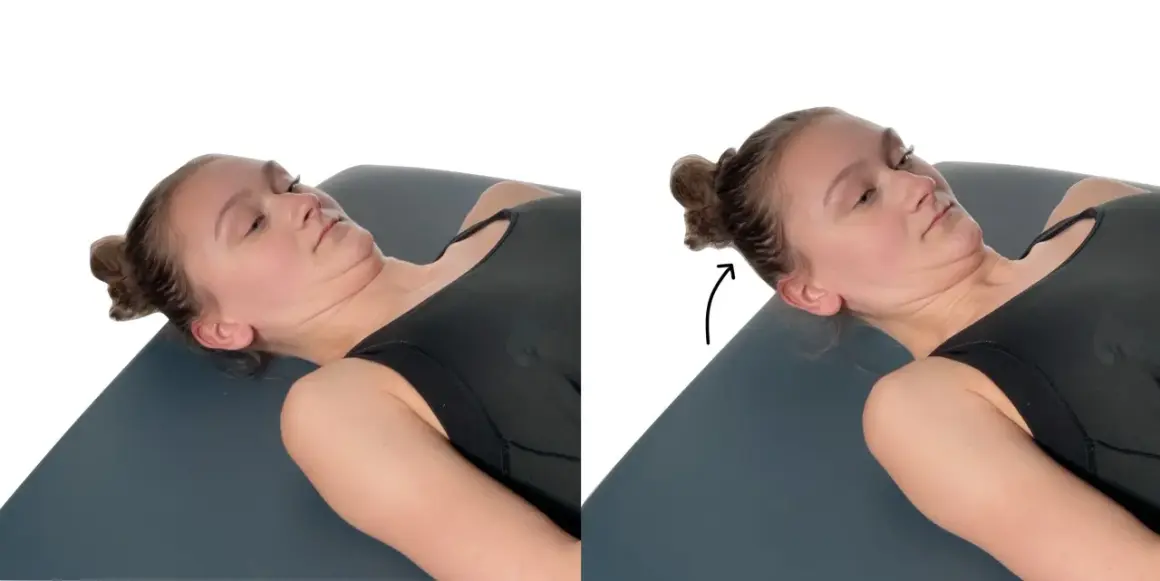
Isometrics are usually where I start. Press the head gently into the hand, a towel, or a band without letting the neck move. Hold for 10 to 20 seconds in each direction: front, back, left, and right. Two to four sets are enough for most beginners.
This style is useful because it is easy to control and easy to scale. If the athlete is new, has a sensitive neck, or is coming back after a long break, isometrics give a lot of benefit with very little complexity.
Dynamic resistance for fuller strength
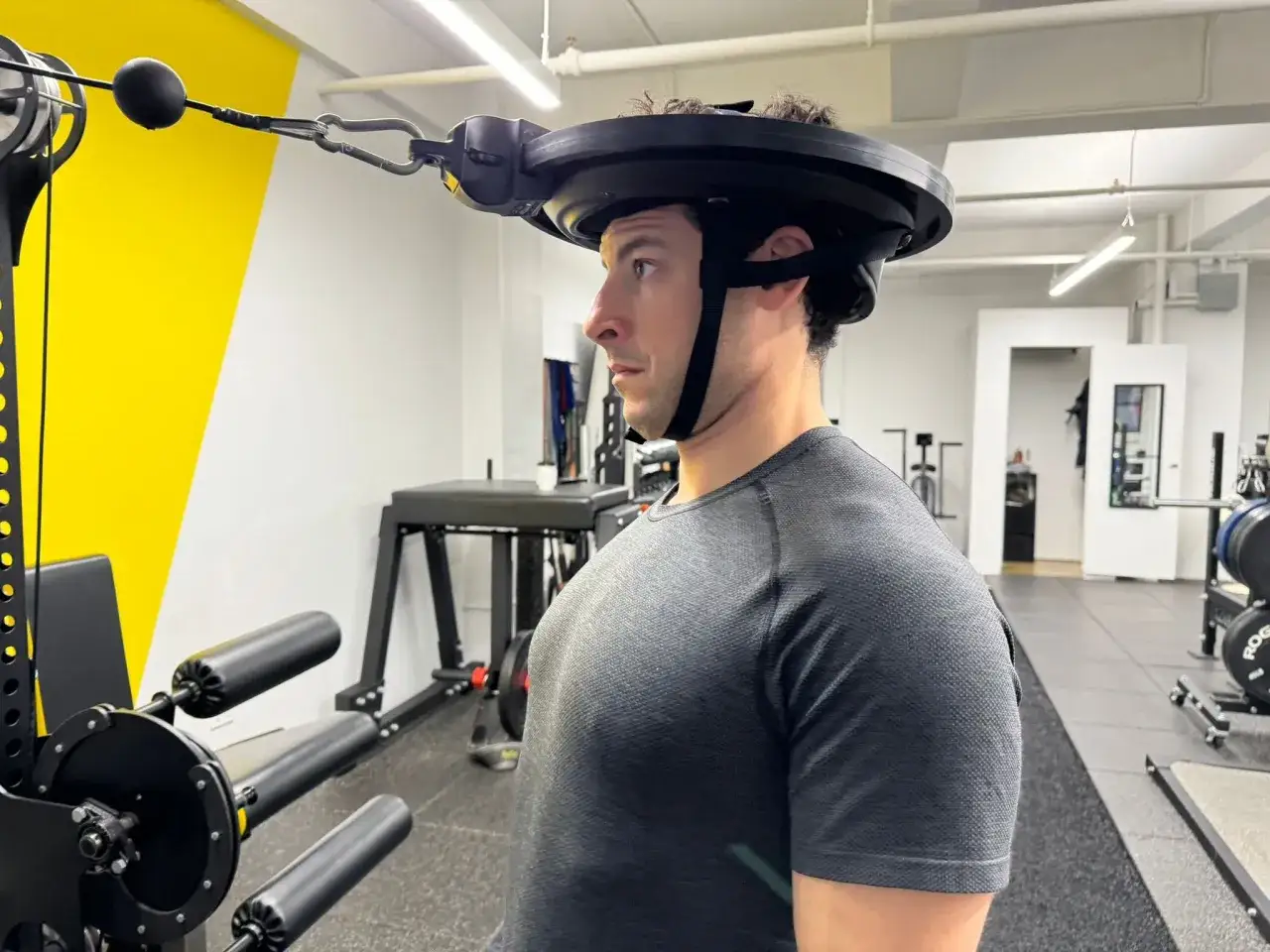
Once a person can hold position cleanly, I like adding light dynamic reps. That can mean flexion, extension, side flexion, or rotation against a band, harness, cable, or light manual resistance. Most people do well with 8 to 12 controlled reps and a slow tempo.
The goal is not to whip the head around. The goal is to move through a useful range with control. If the neck is jerking or the shoulders are doing all the work, the load is already too heavy.
Read Also: Boxing Roadwork That Builds Real Endurance Without Dead Legs
Endurance work and posture support
Endurance work matters more than people think. Longer holds, higher-rep sets, and low-load posture drills teach the neck to stay organized when fatigue shows up. This is especially relevant for anyone who spends hours sitting or anyone who needs the neck to stay reliable deep into a round or a game.
I also like pairing direct neck work with rowing, face pulls, carries, and other upper-back drills. That does not replace neck training, but it improves the environment the neck is working in. A strong neck surrounded by weak posture is a common mismatch.
A simple weekly plan I would actually use
If someone asked me for a practical starting point, I would keep it boring and repeatable. Two to three sessions per week is enough for most people, with at least one day between harder sessions. The first month should feel like building tolerance, not chasing a burn.| Week | Frequency | Work | Goal |
|---|---|---|---|
| 1 to 2 | 2 sessions per week | 2 sets of 10 to 15 second isometric holds in 4 directions | Learn position and build tolerance |
| 3 to 4 | 2 to 3 sessions per week | 3 sets of 15 to 20 second holds or 8 to 10 slow reps | Increase time under tension |
| 5 and beyond | 2 to 3 sessions per week | 3 to 4 sets with slightly more resistance or longer holds | Build usable strength without irritating the neck |
- Start every session with a few gentle chin tucks and neck rotations.
- Keep the chin slightly tucked and the ribs down so the movement comes from the neck, not the whole torso.
- Stop a set if form gets sloppy or the shoulders take over.
- Progress one variable at a time: load, hold time, reps, or frequency.
That is enough for most people to get meaningful results without turning neck work into a recovery problem. The next piece is knowing when the exercise is doing the right thing and when it is a bad idea.
When neck training helps and when it does not
Neck training helps most when the issue is deconditioning, poor posture tolerance, mild mechanical stiffness, or sport-specific weakness. It is less useful when the real problem is a nerve issue, a recent injury, or a medical condition that needs assessment first. That distinction matters more than exercise selection.
In practical terms, I would be cautious if someone has neck pain with arm numbness, arm weakness, radiating pain, dizziness, blackouts, double vision, trouble swallowing, or symptoms that started after trauma. That matches the sort of advice you will see in NHS patient guidance: if an exercise makes you dizzy or symptoms escalate sharply, stop and get checked.
- Good candidates: healthy athletes, lifters, grapplers, and desk workers with ordinary stiffness or low-level discomfort.
- Use caution: people with chronic headaches, recent whiplash, or a history of repeated flare-ups.
- Do not self-progress aggressively: anyone with neurological symptoms, severe pain, or pain after an accident.
When the neck is simply undertrained, exercise usually helps. When the neck is signaling something more serious, training becomes the wrong first move, and that leads directly to the mistakes I see most often.
The mistakes that make neck work less effective
The biggest mistake is chasing load too early. A lot of people jump straight to bridges, heavy harness work, or hard partner resistance before they can hold a neutral position cleanly. That is not toughness. It is usually just a fast path to irritation.
- Training only one direction: Flexion gets attention, but extension, side flexion, and rotation matter too.
- Using sloppy reps: If the shoulders shrug or the torso twists, the neck is not doing the work you think it is.
- Overdoing frequency: Daily hard neck work is unnecessary for most people and can leave the area chronically irritated.
- Ignoring upper-back strength: The neck works better when the scapulae, thoracic spine, and trunk are not collapsing around it.
- Using neck training as a substitute for technique: Better head position, better guard posture, and better bracing often matter more than a stronger isolated neck.
I also see people confuse soreness with effectiveness. A neck session should feel demanding, but it should not leave you dizzy, nauseous, or unable to move normally the next day. If it does, the dosage is off.
The few rules I keep if I want the work to pay off
If I were building a neck plan from zero, I would keep the rules simple. Train it 2 to 3 times per week, start with isometrics, add dynamic work slowly, and keep the rest of the program honest. Rows, carries, bracing drills, and good posture are not optional extras here; they make the neck work more useful.
The best neck training is the kind you can repeat for months without drama. It should give you better head control, better tolerance to contact, and less day-to-day stiffness without turning into a recovery tax. That is the real payoff, and it is usually enough for the people who need it most.