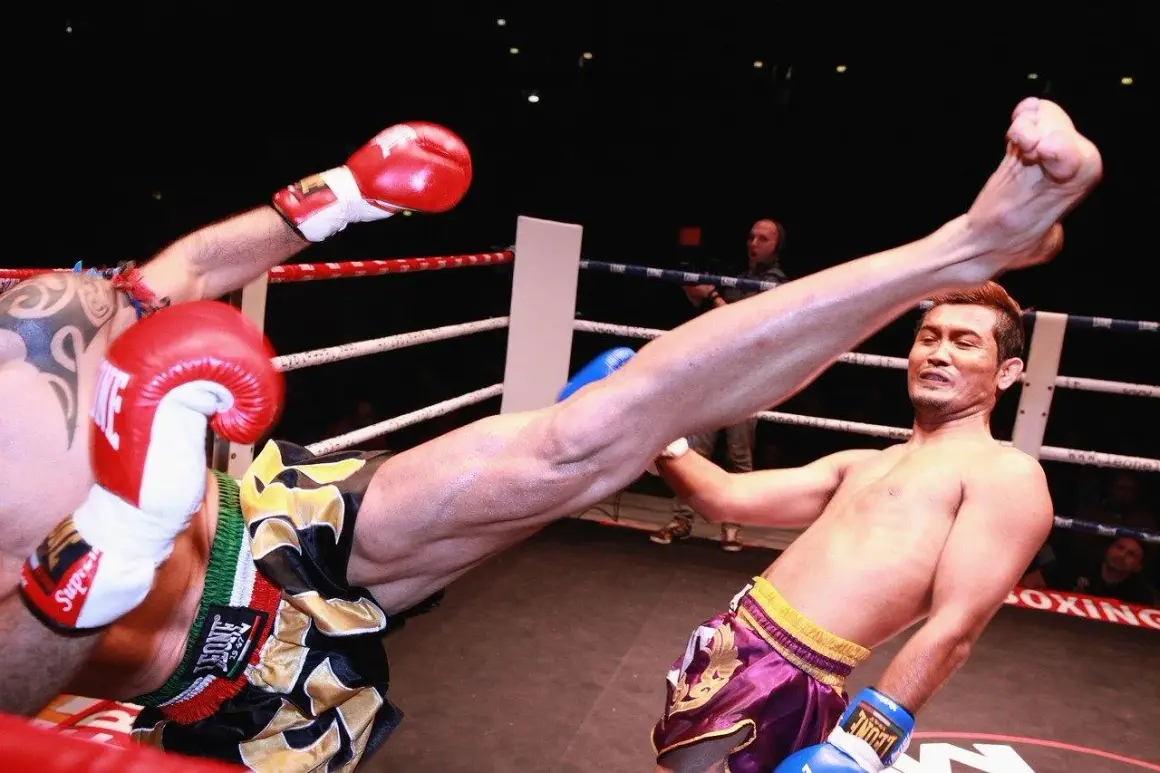
Flinching is one of those reactions athletes notice most when pressure rises: the eyes close, the shoulders jump, and the body moves before the mind finishes the sentence. Is flinching a reflex? In the immediate sense, yes, but the size, shape, and after-effect of that reaction are heavily influenced by threat, expectation, and training. In combat sports, the real job is not to erase the startle response; it is to turn it into a cleaner, more useful defensive pattern.
The short answer about flinching
- The first flinch is an involuntary startle response, not a deliberate choice.
- Threat, surprise, and anticipation all make the reaction faster and larger.
- Repeated safe exposure can reduce the size of the response through habituation.
- Training should not try to delete the reflex; it should build a useful action on top of it.
- In striking sports, the best goal is usually a quicker return to guard, frame, or movement.
What a flinch actually is
In practical terms, a flinch is the body’s fast defensive reset. It usually shows up as a blink, chin tuck, shoulder rise, hand cover, or a brief withdrawal of the torso before the person has time to think through a deliberate answer. That is why I treat flinching as a startle-based protective response: the reflex is fast and automatic, while the exact movement pattern can vary.
The distinction matters. A reflex is not the same thing as a conscious choice, but it is also not a fixed machine movement. The nervous system grabs the safest-looking option it has at that moment, which is why the same athlete can flinch one way against a feint and a different way against a clean punch or a sudden clap.
That leads naturally to the part most people miss: the body does not only react to impact, it reacts to expectation.
Why stress and expectation make it louder
Research on startle modulation consistently shows that threat, anxiety, and anticipation amplify the response. When the brain thinks something painful or unpredictable may happen, it leans toward quicker protective movement and narrower visual focus. In the gym, that can look like excessive blinking, freezing, or a stiff upper body before contact even arrives.
It is easy to mistake that for weakness. I do not. A bigger flinch usually means the nervous system is reading the situation as more dangerous, more surprising, or less controllable. Fatigue, poor sleep, low familiarity with contact, and overly chaotic sparring all tend to make that message louder.
That is why the best conditioning work starts by separating raw reflex from the habits built around it.
Reflex, habit, and trained response are not the same
When I coach or analyze defensive work, I split the reaction into three layers. The first is automatic startle. The second is the habit the athlete has built over time. The third is the trained response that can be inserted after the startle fires.
| Layer | What it looks like | What changes it | Why it matters |
|---|---|---|---|
| Reflex | Blink, recoil, shoulder pop, chin tuck | Exposure, threat level, sensory conditions | It fires before deliberate thinking |
| Habit | Always shelling up, turning away, freezing | Repeated practice, past hits, stress history | It determines what the reflex tends to become |
| Trained response | Cover, frame, step off, counter, breathe | Specific drilling under rising pressure | It is the part you can build on purpose |
The key point: I do not try to eliminate the reflex. I try to make the next movement shorter, safer, and more intentional. That is where conditioning starts to matter.
How conditioning changes the response in combat sports
Conditioning works because the nervous system learns from repetition, context, and outcome. If every unexpected touch leads to a clean cover and no real damage, the brain stops treating that stimulus as a full alarm. Over time, the response can shrink through habituation, and the athlete regains enough time to see, breathe, and move.
There is also a useful concept here called prepulse inhibition. In plain English, a small warning cue can dampen a larger startle response. Fighters use that idea all the time without naming it: feints, rhythm breaks, eye contact, and range cues all prepare the body a fraction of a second before contact. The analogy is useful, not literal. A feint is not the same thing as a lab test, but both rely on a small cue arriving before the larger event and changing how the system responds.
This is why good sparring does not just harden someone. It teaches pattern recognition. A boxer who has seen the same jab-feint-cross sequence hundreds of times is usually not less human; the athlete is simply better conditioned to sort noise from danger. The same logic carries into functional fitness when a coach cue, a moving implement, or an awkward transition interrupts rhythm. The goal is always the same: preserve organization under surprise.
Once that learning starts, the next question is how to drill it without making the problem worse.
Drills that turn the startle into usable defense
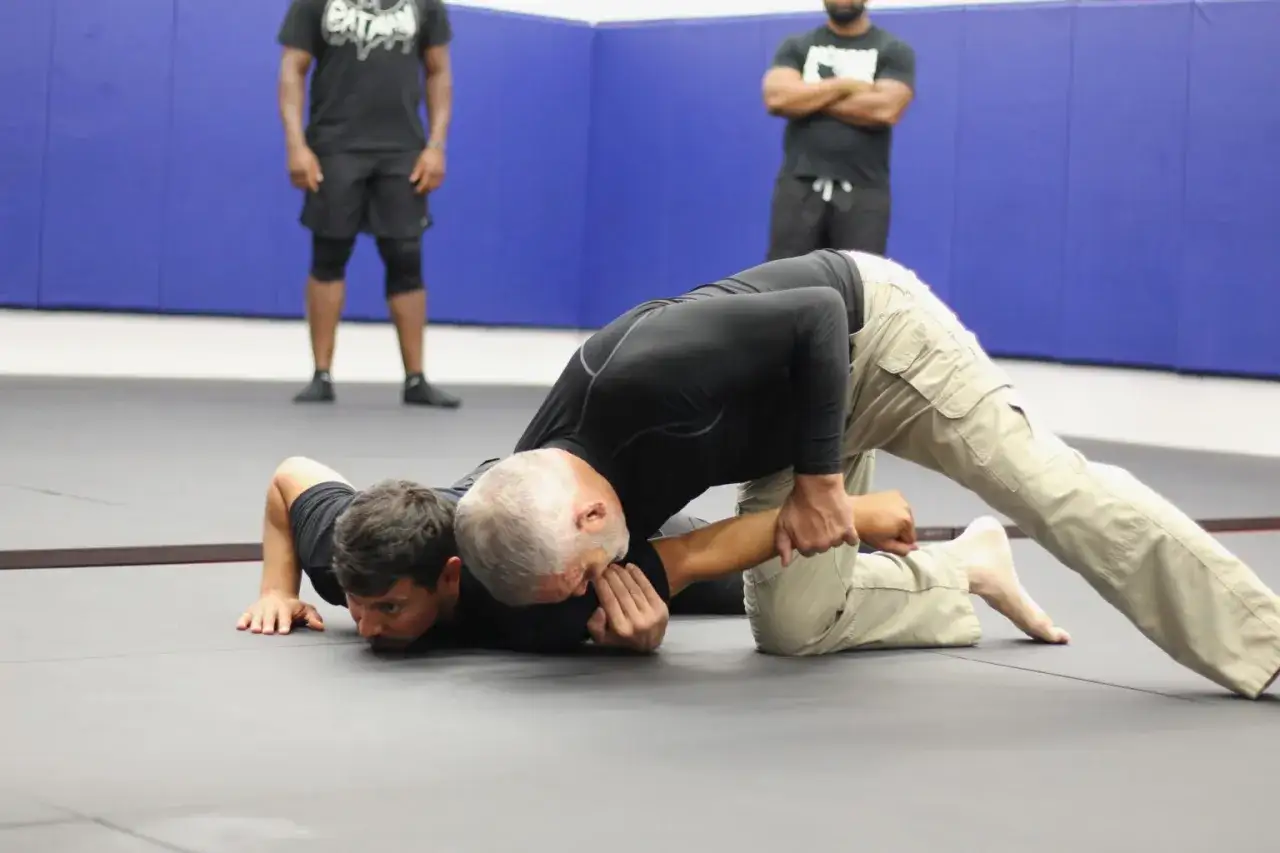
The drills that work best are the ones that keep the athlete safe while slowly raising unpredictability. I prefer small jumps in difficulty instead of big jumps in intensity, because the goal is to teach the nervous system, not overload it.
- Touch to cover - A partner gives a light, unexpected shoulder or glove touch, and the athlete responds with a high guard or frame.
- Feint to step-off - The cue is a feint, and the required response is a quick angle change with eyes up.
- Call-and-go rounds - A coach uses a random verbal cue to trigger a single defensive action, then resets.
- Low-pressure reaction sparring - Short rounds with limited targets and controlled speed so the athlete can keep vision and breathing intact.
| Drill | Sample dose | What it trains |
|---|---|---|
| Touch to cover | 3 sets of 5 reps | Fast guard formation |
| Feint to angle | 3 sets of 4 reps | Stance recovery and vision |
| Light reaction rounds | 2 rounds of 90 seconds | Staying organized under surprise |
If I had to build a simple weekly block, I would keep it to 10 to 15 minutes, 2 or 3 times per week, and cap the early rounds at low intensity. The point is to keep the brain successful often enough that it starts predicting success instead of panic. That structure is boring on purpose. The best flinch work is controlled, repeatable, and slightly unpredictable, not dramatic.
The mistakes that keep the flinch alive
Most bad flinch training fails for one of four reasons.
- It is too intense too soon and teaches panic instead of control.
- It is too predictable and never forces real adjustment.
- It rewards tension by confusing stiffness with toughness.
- It ignores recovery and keeps the athlete in a permanent alarm state.
I would rather see an athlete master a small, ugly, repeatable defense than spend weeks chasing a perfect-looking response in a sterile drill. The pattern is simple: too much intensity too soon teaches panic, while too little variability teaches a fake calm that disappears under pressure. That practical line between normal and excessive matters, because not every flinch should be trained the same way.
When flinching is normal and when it deserves attention
A flinch is normal when it shows up around sudden sound, surprise contact, a head movement you did not predict, or a sparring exchange you have not fully learned yet. In those cases, the body is doing what protective circuitry is designed to do.
I pay more attention when the response is extreme relative to the stimulus, shows up everywhere instead of only in contact settings, or comes with other symptoms such as dizziness, numbness, one-sided weakness, headache, or a new loss of coordination. In those cases, the issue may be more than conditioning, and a medical assessment is the safer call.
Even when there is no medical problem, chronic hypervigilance can keep the system pinned high. That is a coaching and recovery issue as much as a technical one, and it is exactly why the final layer of training needs to be planned, not improvised.
What I would build into a realistic flinch-conditioning block
If I were laying this into a striking or self-defense program, I would keep the work short enough to stay sharp and frequent enough to produce learning.
| Block | Time | Goal |
|---|---|---|
| Breathing reset | 1 to 2 minutes | Lower unnecessary tension before contact |
| Surprise to cover | 4 to 6 minutes | Reduce delay to guard or frame |
| Angle recovery | 4 minutes | Keep eyes and feet working after the cue |
| Controlled pressure | 2 rounds of 90 seconds | Transfer skill into live movement |
The outcome I want is not a fighter who never blinks or never recoils. I want someone whose first alarm is still human, but whose second move is organized enough to stay in the fight. That is the practical answer behind flinching: respect the reflex, then train the response that follows it.