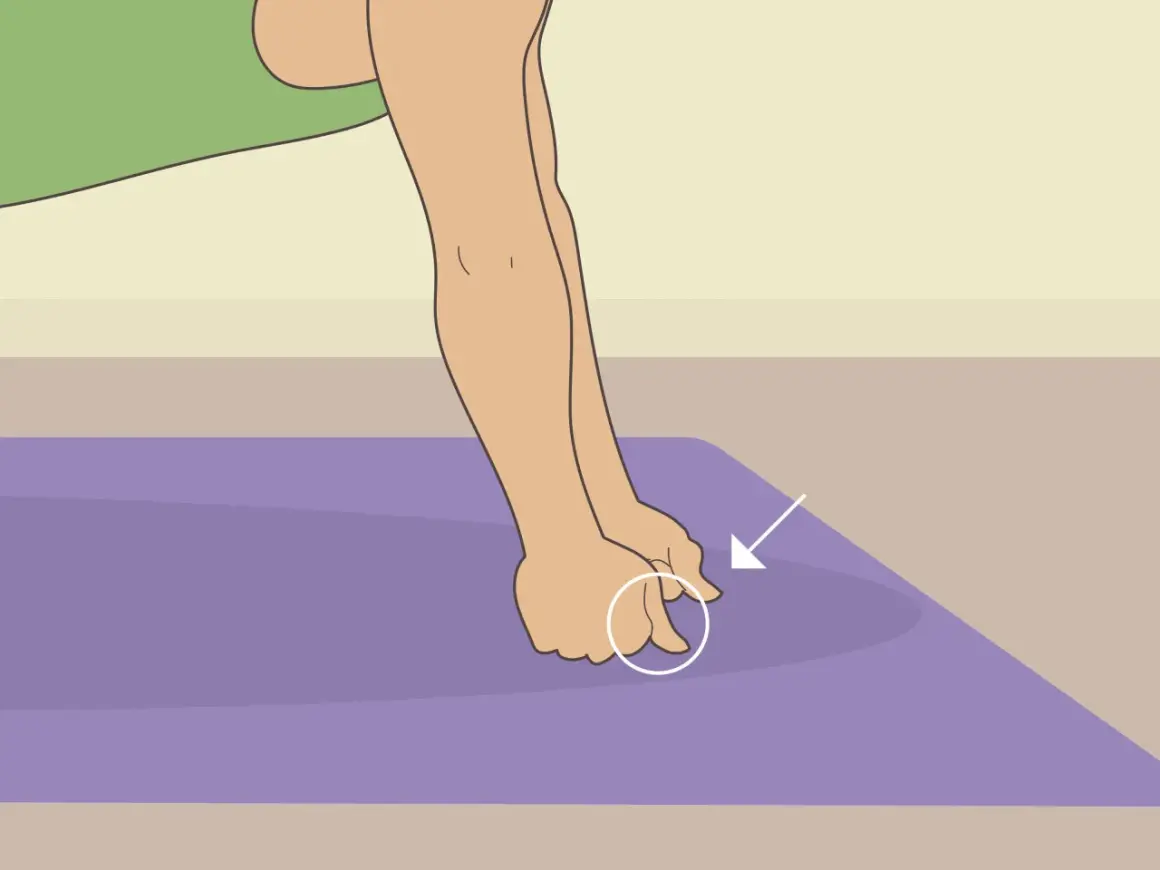
Strong hands are useful only if they stay usable after training. Hand conditioning is useful only when it makes your hands more reliable under load, not when it just makes them feel hard. In combat sports, the real job is to improve impact tolerance, wrist alignment, and tissue resilience while keeping the thumb, knuckles, and small wrist bones protected.
The practical takeaways before you start loading your hands
- Wraps and properly fitted gloves are the first line of defense because they stabilize the wrist and spread force across the hand.
- The best drills build grip, extensor strength, wrist control, and gradual impact tolerance, not blind toughness.
- Technique matters more than surface choice, because a bent wrist or sloppy punch will beat up good hands quickly.
- Use volume and frequency as your main progression tools, not harder impact every session.
- Pain in the thumb, knuckles, or wrist is a reason to back off early, not something to train through.
What hand conditioning actually includes
I break this work into four jobs. First, the strike has to stay aligned so force travels through the knuckles and middle of the wrist instead of collapsing into the small joints. Second, the soft tissues need support so the metacarpals, thumb, and wrist ligaments are not taking every impact alone. Third, the hand needs enough load tolerance to handle repeated rounds of bag work, pads, and clinch fighting. Fourth, recovery has to keep pace, because an overworked hand loses function fast.
- Alignment keeps the fist stacked behind the forearm so the punch lands through a stable line.
- Support compresses the hand bones and protects the thumb from excessive movement.
- Tissue tolerance is the gradual ability to tolerate contact, gripping, and repetitive closing of the fist.
- Recovery is what allows those tissues to adapt instead of just staying irritated.
I do not think of this work as trying to make the hand into a brick. The better goal is much more practical: let the hand absorb force cleanly, keep the wrist from folding, and preserve enough mobility for punching, blocking, gripping, and framing. Once that is clear, the next layer is protection.
The protection stack I would not skip
Most hand problems start before the punch lands. If the support system is weak, the impact gets dumped into the wrong place no matter how “conditioned” the hand feels. I think of the protection stack in layers, because each layer solves a different part of the problem.
| Layer | What it does | Best use | Common mistake |
|---|---|---|---|
| Cloth wraps | Stabilize the wrist, hold the small bones together, and reduce unnecessary movement | Bag work, pads, sparring, and any session with repeated punches | Wrapping too loosely or skipping the thumb loop and wrist support |
| Gloves | Add padding and reduce surface trauma to the knuckles | Heavier sparring gloves for controlled contact, bag gloves for striking drills | Using the wrong glove for the task, or relying on gloves alone |
| Tape or gauze | Locks down specific areas and adds structure when used correctly | Competition or advanced training setups where rules allow it | Making the hand too rigid or using it as a substitute for poor technique |
| Quick wraps or inner gloves | Provide convenience with a modest level of support | Short sessions, travel days, or light technical work | Assuming convenience equals the same protection as a full wrap job |
I prefer cloth wraps for serious sessions because I can place support exactly where the athlete needs it. Quick wraps are fine when convenience matters, but they are not the same thing as a well-built wrap that locks the wrist and secures the base of the thumb. If the wrist folds on impact, no amount of knuckle toughening will save the hand.
Protection buys you time, but the actual adaptation comes from how you load the hand over weeks, not from gear alone.
The drills that build real durability
The safest way to strengthen the hands is to use small doses and make the tissues adapt gradually. I like short, repeatable sessions that challenge the hand without turning it into a sore, swollen mess. Two or three sessions per week, usually 10 to 15 minutes each, is enough for most fighters who are already training hard elsewhere.| Drill | Typical dose | Why it helps |
|---|---|---|
| Rice bucket work | 2 to 3 sets of 30 to 45 seconds | Builds finger flexion, extension, and wrist endurance with low joint stress |
| Band finger extensions | 2 to 4 sets of 15 to 25 reps | Balances all the gripping from striking and grappling |
| Hammer or light dumbbell pronation and supination | 2 to 3 sets of 8 to 12 reps per side | Improves rotational control so the wrist is less likely to collapse on impact |
| Towel hangs or gi grips | 2 to 4 sets of 20 to 40 seconds | Builds grip endurance for clinch work, control, and transitions |
| Light bag touches or technical rounds | 1 to 3 short rounds with submaximal force | Teaches alignment and gradual impact tolerance without overloading the hand |
A conservative progression rule
- Change one variable at a time, such as volume, speed, or target firmness.
- Stop the set when the wrist starts drifting or the fist shape gets sloppy.
- Let the hand feel worked, not wrecked.
I rarely recommend knuckle push-ups on a hard floor as a main tool. They can be useful in small doses on a forgiving surface, but they are too easy to turn into a joint-irritation contest. The better long-term choice is controlled loading that respects the wrist angle and gives the connective tissue a chance to adapt. The next step is making that loading match the sport you actually fight in.
How the work changes by style
Not every fighter needs the same hand work. A boxer, a Muay Thai athlete, and an MMA fighter all stress the hands differently, so the conditioning plan should reflect that. I would rather see a simple program tailored to the rule set than a generic routine copied from the wrong sport.
| Style | Main priorities | What I would emphasize less |
|---|---|---|
| Boxing | Wrist alignment, knuckle support, bag volume, and clean punching mechanics | Hard-impact “toughening” on overly dense surfaces |
| Muay Thai or kickboxing | Wrist stability, forearm endurance, and clinch grip strength | Extra bare-knuckle volume when the hands are already getting taxed in sparring |
| MMA | Thumb protection, grip transitions, and enough support for striking plus grappling | Overtraining the hands with striking-only work that ignores the rest of the game |
| Grappling-heavy athlete | Grip endurance, finger extensor balance, and wrist resilience | Impact drills that do not match the athlete’s real weekly workload |
Beginners usually need more alignment work and less impact work. Experienced fighters can tolerate more volume, but only if their sparring load and recovery actually support it. If the week already includes hard pads, heavy bags, and live rounds, the hands are not looking for heroics, they are looking for smart management. That is where the biggest mistakes show up.
The mistakes that wreck hands fastest
- Skipping wraps leaves the wrist and metacarpals to absorb forces they were never meant to handle alone.
- Training hard while tired is dangerous because fatigue turns a decent punch into a sloppy one.
- Chasing harder surfaces too early usually creates inflammation before any meaningful adaptation happens.
- Ignoring thumb position can lead to sprains that linger far longer than a sore knuckle.
- Overdoing grip work without extensor training creates imbalance and can irritate the forearm and elbow chain.
- Punching through pain is the fastest way to turn a manageable issue into a multi-week setback.
Read Also: Boxing Neck Training - Build a Stronger, More Resilient Neck
When I would stop striking and get it checked
- Swelling around a knuckle, the thumb base, or the wrist that shows up after training.
- Sharp pain when making a fist or straightening the wrist.
- Numbness, tingling, or a clear drop in grip strength.
- Pain or swelling that is still obvious after 24 to 48 hours.
If a fighter cannot make a full fist the next day, something is off. That does not always mean a fracture, but it does mean the workload was too much or the mechanics were too poor to keep repeating. I would back off, assess the wrap and glove setup, and if the symptoms do not settle quickly, get the hand examined. If you want the work to last, the routine has to be simple enough to repeat.
The routine that keeps fighters training instead of rehabbing
My default approach is conservative. Before striking, I want a few minutes of wrist circles, finger opens, and light shadowboxing with perfect fist alignment. During the main session, I keep the first rounds technical and only add power if the wrist stays stacked and the knuckles land cleanly. After training, I open the hands, stretch the forearms gently, and watch for swelling before it becomes tomorrow’s problem.
- 2 to 3 sessions a week is enough for most fighters who are already sparring or grappling hard.
- 10 to 15 minutes per session keeps the work useful without stealing recovery from the rest of training.
- One variable at a time is the rule I trust most, because hands usually fail when people try to increase everything at once.
- Technical rounds first, power later keeps fatigue from degrading the punch mechanics that protect the hand.
The smartest fighters treat the hands like precision tools. They strengthen them, yes, but they protect them just as deliberately, because lost training days cost more than any extra round ever earns. If your goal is to strike hard for years, not just for one session, this is the standard I would use.