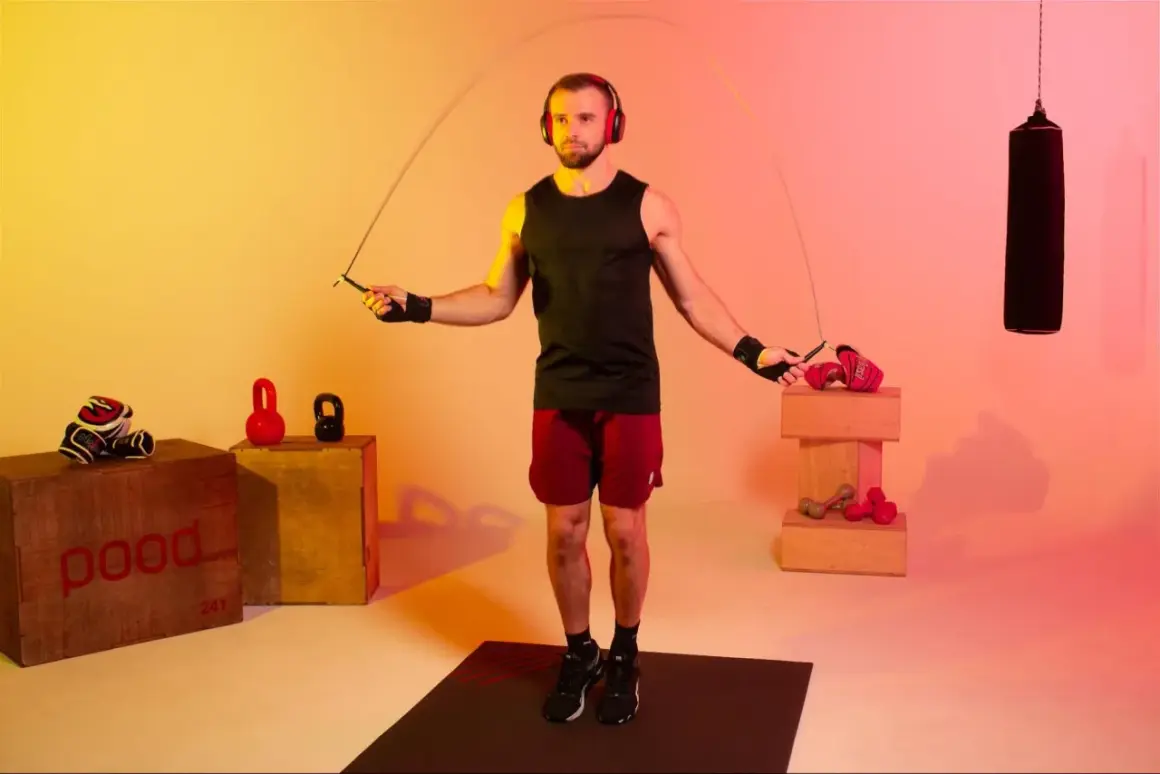
Most boxing rope work lives in the 10 to 15 minute window, then stretches longer when the goal is conditioning
- Warm-up work is often 5 to 10 minutes of light, relaxed skipping.
- Standard boxing blocks usually sit around 10 to 15 minutes, often split into rounds.
- Harder conditioning sessions can run 15 to 30 minutes total, but not usually as one nonstop push.
- Timed rounds matter because they train the same work-rest rhythm boxers need in the ring.
- Beginners should build duration in small steps instead of chasing long continuous sets.
- Technique quality matters more than trying to survive a bigger number on the timer.
The short answer is usually 10 to 15 minutes
If I had to give one practical answer, I would say most boxers spend about 10 to 15 minutes on the rope when they are using it as part of a normal training day. That is long enough to wake up the calves, ankles, and aerobic system without stealing too much energy from shadowboxing, bag work, pads, or sparring.For a light warm-up, 5 to 10 minutes is common. For a conditioning block, 15 to 30 minutes is realistic, especially if the work is broken into rounds. I would not send a beginner into 30 straight minutes and call it smart training. That usually turns into sloppy bouncing, tight shoulders, and tired feet instead of useful conditioning.
The main split is simple: rope work can be used to prepare the body, or it can be used to challenge the engine. Those are related, but they are not the same thing, and the difference decides how long the session should be.
Why timed rounds matter more than nonstop skipping
Boxing is built around rounds, not endless steady-state cardio. The Association of Boxing Commissions’ Unified Rules use three-minute rounds with one-minute rest in pro boxing, and that clock is part of why so many gyms shape rope work the same way. The rope becomes useful when it teaches you how to move, breathe, and recover in a fight-like rhythm.
That is why I prefer timed rounds over “just keep going until you crash.” Timed work forces you to manage pace. You learn how to settle after an explosive burst, how to regain balance, and how to keep your feet light even when the lungs start complaining. That is closer to boxing than one long, undirected grind.
It also makes progress easier to measure. Three clean 3-minute rounds are more informative than one messy 11-minute effort. Once that rhythm is clear, the next question is how much rope work fits your level.
How I would scale rope time by experience
The right amount depends on your skill, your training phase, and what else you are doing that day. I usually think about it in tiers, because a beginner and a fighter in camp should not be chasing the same number.
| Level | Typical rope time | Best format | Main goal |
|---|---|---|---|
| Beginner | 3 to 8 minutes total | 6 to 8 short intervals of 30 to 45 seconds | Learn rhythm, timing, and relaxation |
| Intermediate | 10 to 15 minutes total | 3 rounds of 3 to 5 minutes | Build aerobic base and footwork endurance |
| Advanced or fight camp | 15 to 30 minutes total | 5 rounds of 3 minutes or mixed intervals | Condition under fatigue and keep form intact |
For beginners, I would rather see short, repeatable efforts than a heroic attempt at nonstop skipping. The goal is not to win a contest against the timer. The goal is to stop tripping, stop stomping, and start moving with a quiet, efficient rhythm. Once that is stable, adding minutes makes sense.
For more experienced boxers, the jump rope can become a serious conditioning tool. At that point, the question is not whether you can keep jumping. It is whether you can keep your posture, breathing, and foot speed under control while the session gets harder. That is where the rope starts carrying over into the ring.
A boxer-style rope session looks very different from a random cardio block
If I were building a clean boxing rope workout, I would keep it simple and round-based. The point is to make each block useful, not fancy. A session like this works well for most intermediate athletes:
- 3 minutes easy bounce and boxer step to get warm.
- 1 minute rest or light shadowboxing.
- 3 minutes with mixed footwork: basic bounce, alternate-foot step, and side swings.
- 1 minute rest.
- 3 minutes with a faster finish: high knees, quick feet, or light double unders.
- 1 minute rest.
- 2 to 3 minutes of relaxed cool-down skipping or light movement.
This kind of session works because it blends rhythm and pace changes. The boxer step helps you stay loose. The faster segments raise the heart rate. The short rests teach you how to come back under control. That is the kind of conditioning that matters when your hands are up and your legs are already doing a lot of work.
If you want the session to feel more fight-specific, stay close to 3-minute rounds. If you want a less demanding warm-up, keep the same movements but shorten the blocks. The details below are what keep the session productive instead of random.
What changes the right amount of rope work
There is no single magic number because rope duration depends on a few practical variables. I care about these more than I care about a rigid formula:
- Training phase. In camp, rope work usually becomes more round-specific and more intense. In the off-season, longer easy blocks can make sense.
- Session order. If rope work comes before sparring or hard mitt rounds, it should prime you, not drain you.
- Skill level. A boxer who still fights the rope with their feet needs shorter intervals than someone who can stay loose for 15 minutes without thinking about it.
- Surface and shoes. Hard floors and poor footwear make calves, shins, and Achilles work harder.
- Injury history. If your lower legs are already irritated, rope volume should come down before it becomes a problem.
The biggest mistake I see is assuming more minutes automatically mean better conditioning. Sometimes they do, but only if the quality stays high. Once your jumps get noisy, your shoulders tighten, and your breathing goes ragged, the rope is no longer teaching efficiency. It is just exposing fatigue.
That is why the answer changes with context. A boxer can use the rope for activation, for conditioning, or for footwork practice, and each of those goals deserves a different duration.
The safest way to add more rope time without trashing your calves
If you want to build toward longer rope sessions, I would keep the progression boring on purpose. Start with 3 x 2 minutes if you are new, move to 3 x 3 minutes once you can stay relaxed, and only then push toward 4 or 5 rounds. Add one small layer at a time: first time, then pace, then variations.
I also like to use a simple checkpoint: finish the last 30 seconds of each round with your form still clean. If you can do that, you are ready for a little more volume. If you cannot, your current dose is already enough for now. That rule keeps the rope useful instead of turning it into a calf test.
For most fighters, the sweet spot is not the longest possible session. It is the session you can repeat week after week without breaking down. That is the kind of conditioning that actually shows up on fight night.