
What matters most after a heavy pull session
- Use static stretching after training, when your muscles are warm, not before heavy work.
- Focus on the tissues that take the most load: lats, rear delts, biceps, forearms, and the thoracic spine.
- Most holds work well at 20 to 30 seconds, repeated for 1 to 2 rounds.
- Keep the sensation mild to moderate; sharp pain, pinching, or tingling is a bad sign.
- A solid cool-down usually takes 6 to 10 minutes, not a full extra mobility session.
- For conditioning athletes, consistency matters more than chasing the deepest possible stretch.
Why post-pull stretching actually helps
Pulling exercises load the body in a way that is easy to underestimate. Rows, chin-ups, deadlifts, rope climbs, and heavy carries all ask the lats, mid-back, rear delts, biceps, forearms, and grip to stay tight under fatigue. When that work is done, the goal is not to “fix” the workout or force length into tired tissue. It is to restore range of motion, reduce that locked-up feeling, and help your nervous system come down from the session.
Cleveland Clinic notes that longer static stretching belongs after exercise, when the muscles and joints are warm, and that matches what I see in the gym: the post-workout window is when the body usually tolerates mobility work best. I also like the ACSM view that a cool-down and flexibility work are part of a complete training session, not an optional extra. The practical takeaway is simple: stretch after the work, keep it controlled, and use the session to get back to usable movement rather than to chase a dramatic sensation. Once that is clear, the next step is choosing stretches that match the tissues you actually loaded.
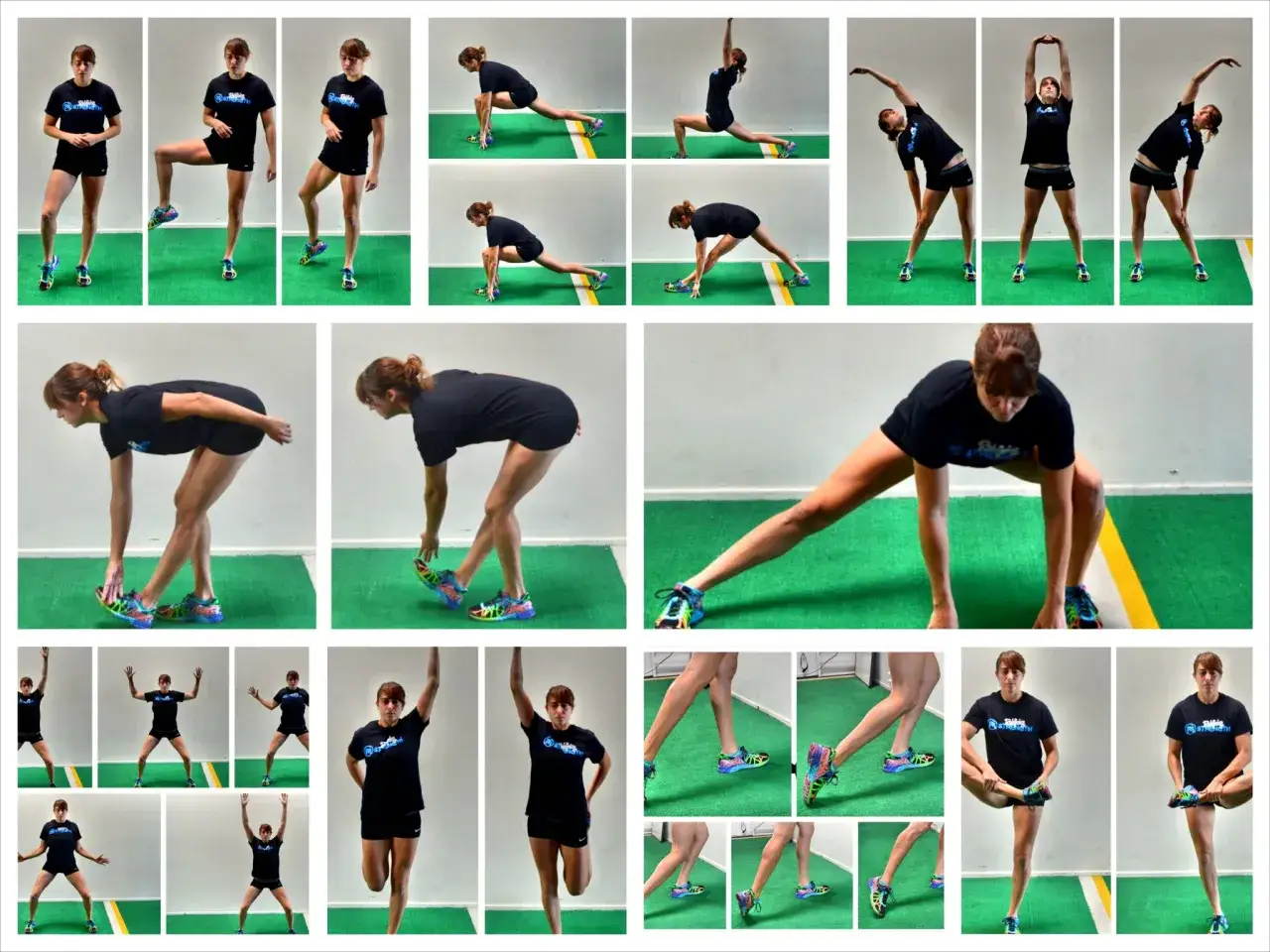
The stretches that matter most after a pull session
I keep the post-pull list tight on purpose. A good routine should cover the back, shoulders, arms, and upper spine without becoming a 20-minute detour. The table below gives you the fastest way to choose the right movement for the job.
| Stretch | Main target | Hold or reps | Why it belongs here |
|---|---|---|---|
| Lat stretch on a bench or rack | Lats, teres major, side ribs | 20 to 30 seconds per side | Useful after pull-ups, pulldowns, and rows |
| Cross-body rear delt stretch | Rear delts, posterior shoulder | 20 to 30 seconds per side | Helps when the back of the shoulder feels tight or compressed |
| Doorway biceps stretch | Biceps, front of the shoulder | 20 to 30 seconds per side | Helpful after chin-ups, curls, and underhand pulling |
| Wrist flexor and extensor stretch | Forearms, wrists, grip chain | 10 to 20 seconds each direction | Important after heavy gripping, towel work, or gi training |
| Open-book thoracic rotation | Thoracic spine, ribcage | 6 to 10 reps per side | Restores rotation after bracing, hinging, and locked-in posture |
Lat stretch
This is usually the first one I reach for after a heavy pulling day. Place both hands on a bench, box, rack, or wall, then sit your hips back until you feel the stretch run down the sides of your upper back and into the ribcage. Keep your ribs from flaring and avoid turning it into a low-back arch. The point is to lengthen the lat under control, not to fake more range by dumping into the spine.
Rear delt and upper-back stretch
A simple cross-body stretch works well here. Bring one arm across the chest, keep the shoulder from hiking up, and use the other arm only as much as needed to create tension. I like this one after rowing volume because it can calm the back of the shoulder without cranking on the joint. If the shoulder feels pinchy rather than stretchy, the angle is wrong and the hold should be softened.
Biceps and forearm stretch
Pull sessions often leave the elbow flexors and forearms tighter than people expect. A doorway biceps stretch can help after curls, chin-ups, or underhand rows: arm behind the body, palm turned outward slightly, chest tall, and no aggressive lockout. For the forearms, do both wrist flexor and extensor stretches. Keep them gentle, especially if you trained hard with straps, towels, or a gi. Tight grip work does not always need a brutal stretch; it usually needs a calm one done consistently.
Read Also: Garage Boxing Gym - Build Your Ultimate Home Training Space
Thoracic rotation
I almost always include some rotation work because the upper back gets sticky fast after bracing and hinging. The open-book drill is simple: lie on your side, knees bent, arms stacked, then rotate the top arm open while you exhale slowly. That exhale matters. It helps the ribcage move and gives you a cleaner rotation than forcing the stretch with the shoulder alone. For grapplers and lifters who live in a flexed posture, this one is often more useful than another arm-only stretch.
Once these movements are chosen well, the real question becomes how to fit them into a short cool-down without drifting into unnecessary volume. That part matters more than people think.
A short cool-down I use after heavy pulling
If I want a routine that works on a real training day, I keep it simple. The best version is the one you will actually finish, even after a hard back session or a conditioning block that left your grip half empty.
- Walk or breathe lightly for 60 to 90 seconds to start bringing the system down.
- Do 6 to 10 open-book reps per side, moving slowly and exhaling on the rotation.
- Hold a lat stretch for 20 to 30 seconds per side, then repeat it once if the session was heavy.
- Use a rear delt stretch for 20 to 30 seconds per side if the shoulders feel dense or tight.
- Finish with a doorway biceps stretch if chin-ups, curls, or underhand pulling were a big part of the workout.
- Add wrist flexor and extensor stretches for 10 to 20 seconds each if your forearms are the limiting factor.
That is usually enough for a standard pull day. If the workout was deadlift-heavy, I tend to prioritize the lat and thoracic work first, because the back and trunk usually need more attention than the elbows. If the session was grip-dominant, I shorten the shoulder work and give the forearms a little more time. The routine should fit the session you just finished, not some generic version of “back day.” That flexibility is what keeps the cool-down useful instead of mechanical.
The mistakes that make stretching less useful
Most people do not fail because they skip stretching entirely. They fail because they stretch in a way that feels productive but does very little for recovery. The biggest errors are predictable.
- Forcing end range. If you are hunting for the deepest possible position, you are usually borrowing movement from joints that do not need it.
- Confusing tension with pain. Mild pull is fine; joint pinching, numbness, or sharp pain is not. I would rather see a small, repeatable stretch than a big, irritated one.
- Holding your breath. Exhaling slowly helps the ribcage and shoulders settle. If you brace through the stretch, you are fighting the goal.
- Ignoring the forearms. Grip work and chin-up volume can leave the lower arm tighter than the back. Skipping it is a common miss.
- Using long static holds before explosive work. After training, static stretching makes sense. Before power work, it is usually the wrong tool.
I also think people overrate soreness as a signal. Stretching is not a magic shield against DOMS, and it does not need to be aggressive to be useful. If you want the real payoff, make the work feel clean, repeatable, and easy to recover from. That matters even more when your training week includes combat sports or hard conditioning.
How I adjust the routine for combat sports and conditioning work
Pulling in combat sports is rarely just “back day.” Grappling, clinch work, gi grips, towel pull-ups, rope climbs, sled drags, and even heavy kettlebell swings all stress the pulling chain, but they do it under fatigue and in odd positions. That changes what matters most after training.
For wrestling, jiu-jitsu, or any session with a lot of gripping, I place more weight on thoracic rotation and forearm recovery. The neck and shoulders are often wrapped into the tension pattern too, so I keep the upper-body stretches supported and avoid hanging into tired joints. For fighters who already spent the session fighting posture, a supported lat stretch on the floor or bench is often better than an aggressive overhead hold.For high-volume conditioning, I usually prefer shorter, more frequent mobility work over one long stretch block. Two or three minutes after training, then another quick reset later in the day, often does more than a single dramatic session that never gets repeated. Conditioning is about repeatability, and recovery work should follow the same rule. If a tissue stays irritated, though, stretching is not the fix by itself; load management and proper assessment matter more.
The minimum version I would never skip
When time is tight, I would keep only three things: thoracic rotation, one lat stretch per side, and a forearm release. That combination covers the parts of the pull chain that most often tighten up first and affect the next session the most.
- Open-book rotation or thread-the-needle for the upper back.
- A lat stretch with the ribs kept down and the hips back.
- Wrist flexor and extensor stretches if the workout involved serious grip work.
If you keep that small core consistent, it usually beats a longer routine done once in a while. For most lifters and fighters, the goal is not perfect flexibility; it is to stay loose enough to move well, recover normally, and come back ready for the next hard session.