
The real oxygen restriction mask benefits are narrower than many ads suggest, but the tool is not pointless. I treat it as a breathing-resistance device that makes conditioning feel harder and puts a specific load on the muscles that control ventilation. For fighters and functional athletes, that can matter when the goal is pacing, gas-tank work, and discomfort tolerance rather than a fake version of altitude.
What matters most before you use a training mask for conditioning
- It mainly increases breathing resistance; it does not reliably recreate true altitude.
- The most realistic upside is a harder conditioning stimulus and more respiratory-muscle work.
- It is a poor fit for maximal strength, sprint power, and live sparring.
- Evidence for masks is mixed, while inspiratory muscle training has a stronger track record.
- Use it as an accessory, not the center of your conditioning plan.
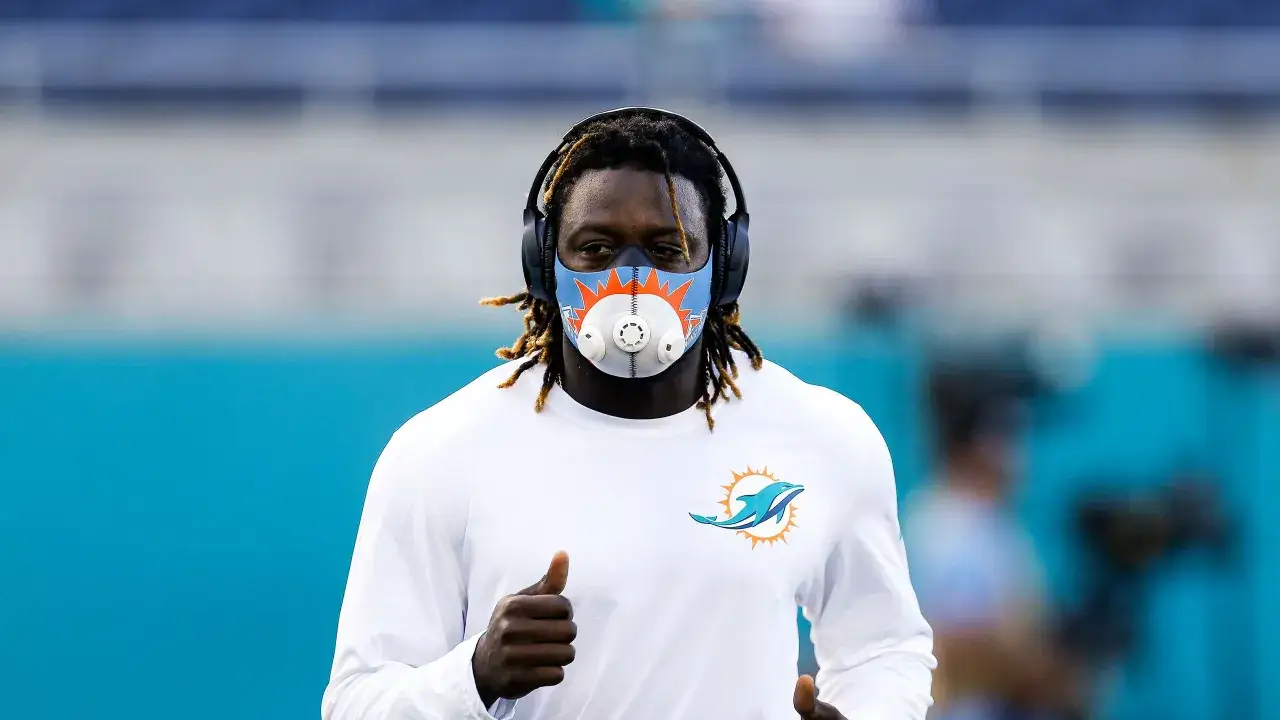
What the mask is really doing to your breathing
A training mask does not magically create mountain air. It adds resistance to inhaling and exhaling, which makes each breath cost more and raises the feeling of air hunger. In some studies, oxygen saturation dips a little during harder efforts, but that is still not the same thing as spending time at altitude, where the air itself contains less oxygen.
I think of this as respiratory loading. The diaphragm and the muscles between the ribs have to work harder, so the session becomes a bit of a workout for the breathing system as well as for the legs or shoulders. That difference matters because it keeps the discussion grounded: the mask changes effort, but it does not automatically create a true altitude adaptation. Once you separate those two ideas, the real benefits become much easier to judge.The benefits that are actually worth caring about
When the mask has value, it is usually because it changes the training session, not because it creates a dramatic new physiology. For conditioning work, I would keep the expected gains modest and specific.| Benefit | What it can help with | Where it matters | Main limitation |
|---|---|---|---|
| Harder aerobic load | Raises the effort of bike, run, row, or shadowboxing sessions without adding extra weight | Base conditioning, tempo work, finishers | Only useful if the session stays technically clean |
| Respiratory-muscle challenge | Forces the diaphragm and intercostals to work against more resistance | Steady rounds and controlled intervals | The effect is usually small and depends on progression |
| Pacing awareness | Teaches you not to panic when breathing feels crowded | Combat-sport rounds and circuit training | Transfer is limited if the mask ruins pace or posture |
| Portable overload | Adds stress when equipment is limited or joint impact needs to stay low | Travel blocks, deload weeks, home conditioning | It does not replace real interval design or weekly volume |
That is the honest upside: a slightly tougher conditioning stimulus, a bit of respiratory-muscle work, and a useful dose of discomfort management. I would not expect miracles, but I would also not dismiss it as useless if the rest of the program is already solid. That is the upside; the next step is being honest about the claims the mask cannot support.
Why the altitude claim breaks down
This is where most marketing gets sloppy. A mask can make breathing harder, but it does not reproduce the full physiological environment of altitude. Real altitude exposure changes the oxygen pressure you breathe in; the mask mostly changes the work required to move air. Those are not the same stressors, and they do not create the same adaptations.
| Tool | Main stimulus | Best use | Main limitation |
|---|---|---|---|
| Training mask | Breathing resistance and higher perceived effort | Accessory conditioning | Poor altitude substitute |
| Inspiratory muscle trainer | Measurable load on inhalation muscles | Targeted breathing-strength work | Does not condition the whole body |
| True altitude exposure | Low-oxygen environment | Acclimatization and endurance strategy | Expensive and hard to dose consistently |
The research pattern is mixed. Some small studies report better respiratory-muscle function or occasional performance gains after several weeks, but others find no meaningful change in measures like VO2max, pulmonary function, or recovery markers. A mask can also create modest hypoxemia during harder efforts, yet that still does not make it a clean altitude simulator. I would not build a performance promise on scattered wins from small protocols.
Where the evidence is stronger, it tends to be on respiratory muscle training in general, especially when the load is measurable and progressed on purpose. That distinction matters, because it points directly toward the athletes who may get the most from the tool and the ones who probably will not.

Where it fits best in combat sports and functional fitness
This is where the mask can still earn its place. I see the best use cases in controlled conditioning blocks where the goal is to keep moving under a slightly tougher breathing load without turning the session into chaos.
- Base-phase cardio: steady bike, rower, incline walk, or easy run sessions where the aim is to keep the engine working a little harder.
- Controlled round work: shadowboxing, bag intervals, sled pushes, or circuits that stay technical even when breathing gets uncomfortable.
- Low-impact conditioning blocks: useful when you want more stress without adding more joint pounding.
- Pacing practice: some athletes learn not to spike early or panic when the lungs start to burn, which can matter late in a round.
How to use one without sabotaging training
The safest and most productive approach is conservative. The point is to overload breathing, not to turn every workout into a survival test.
- Start with 1 session per week and only add a second if your output and recovery stay stable.
- Use it first on submaximal work, such as 10 to 20 minutes of easy cardio or 3 to 5 controlled rounds.
- Keep the load honest. If pace collapses or technique breaks, lower the resistance or take the mask off.
- Do not use it for every hard session. The goal is overload, not chronic exhaustion.
- Stop immediately for dizziness, headache, chest tightness, wheezing, panic, or unusual shortness of breath.
- Get medical clearance first if you have asthma, COPD, cardiovascular disease, or unexplained breathing symptoms.
The smarter way to build a bigger gas tank
If I were writing a camp plan for a boxer, wrestler, or MMA athlete, I would use the mask only after the basics were already in place. The real engine of conditioning is still the boring stuff done well: enough weekly aerobic work, enough sport-specific intervals, and enough recovery to repeat both. The mask is a tool, not a foundation.
- Build a base first with 2 to 4 aerobic sessions per week, depending on the phase of training and overall workload.
- Add 1 to 2 sport-specific interval days, such as round-based bag work, assault bike intervals, or shuttle efforts.
- If you want targeted breathing adaptation, consider a handheld inspiratory trainer. In research, common protocols start around 50% of maximal inspiratory pressure and progress toward 80% over 3 to 12 weeks.
- Use the mask only as an accessory block when you want extra respiratory stress without extra impact or equipment.
The honest verdict is simple: the mask can add a useful layer of respiratory stress, but the biggest gains still come from well-designed conditioning, sport-specific rounds, and enough recovery to repeat the work. If you want the shortest possible answer, that is it: useful in the right context, overhyped in the wrong one, and never a substitute for the actual work that builds a fighter’s engine.