
Running still matters in boxing because it supports the one thing every fighter needs on bad days: the ability to keep working when the pace spikes. The real question is not whether boxers run, but how much they should run without dulling speed, wrecking recovery, or piling on junk mileage. Here I break down the typical mileage, why it works, and how to adjust it to your level and training phase.
Key takeaways on boxing roadwork
- Most club-level boxers run 3 to 5 miles per session, usually 3 to 5 times per week.
- That puts a lot of fighters around 9 to 25 miles weekly, depending on the phase of training.
- Fight camps usually mix steady runs with intervals and hill work instead of chasing distance alone.
- The goal is not marathon fitness; it is repeatable output, faster recovery between exchanges, and strong legs late in the fight.
- If sparring quality drops or your legs feel flat all week, the running load is probably too high.
How many miles do boxers run in a typical week
The short answer is that most trained boxers land in the 3 to 5 miles per run range, with 3 to 5 runs per week. That is the most common sweet spot I see for athletes who need conditioning without turning roadwork into a second sport.
For a beginner or a boxer returning after time off, I would usually start lower, around 1 to 3 miles per session, then build gradually. For a serious amateur or someone in camp, the weekly total often climbs into the low double digits. A realistic middle ground is 9 to 20 miles per week, with some fighters touching more when camp gets intense.
| Boxer type | Typical run length | Weekly mileage | What it is trying to do |
|---|---|---|---|
| Beginner or returning boxer | 1 to 3 miles | 3 to 9 miles | Build the habit, protect the shins, and raise basic aerobic fitness |
| Club amateur | 3 to 5 miles | 9 to 20 miles | Support sparring, recovery, and general ring stamina |
| Fight-camp boxer | 4 to 6 miles on key days | 15 to 25+ miles | Handle higher pace, weight control, and repeated hard sessions |
That range is broad on purpose. A featherweight in a hard camp and a heavyweight in a lighter technical phase should not run the same volume. Once you see the range, the next question is why running still earns a place in boxing at all.
Why running still matters for boxing conditioning
Boxing is not a steady-state sport, but it is also not pure sprint work. A fight is made of short, explosive bursts layered over minutes of movement, tension, and decision-making. That means the aerobic system has to support recovery between exchanges, while the anaerobic system handles the sharp, hard efforts.
That is why I still treat roadwork as useful. It builds the base that lets you recover between flurries, settle your breathing after a scramble, and stay functional in late rounds when your legs start to feel expensive. The recent combat-sports literature backs that general idea: boxing performance depends on both aerobic and anaerobic qualities, not just one or the other.
FightCamp describes fight preparation as a mix of mileage and sprint work, with pro-level camps often using at least 5 miles per day on several days plus sprints. That matches what most coaches have been saying for years: steady running builds the engine, but fast running teaches the engine to change gears.
In my view, this is where a lot of people get it wrong. They either run too much and flatten their legs, or they ditch running entirely and then wonder why they fade when sparring turns ugly. The right answer is usually somewhere in the middle, which brings us to how the miles should actually be organized.
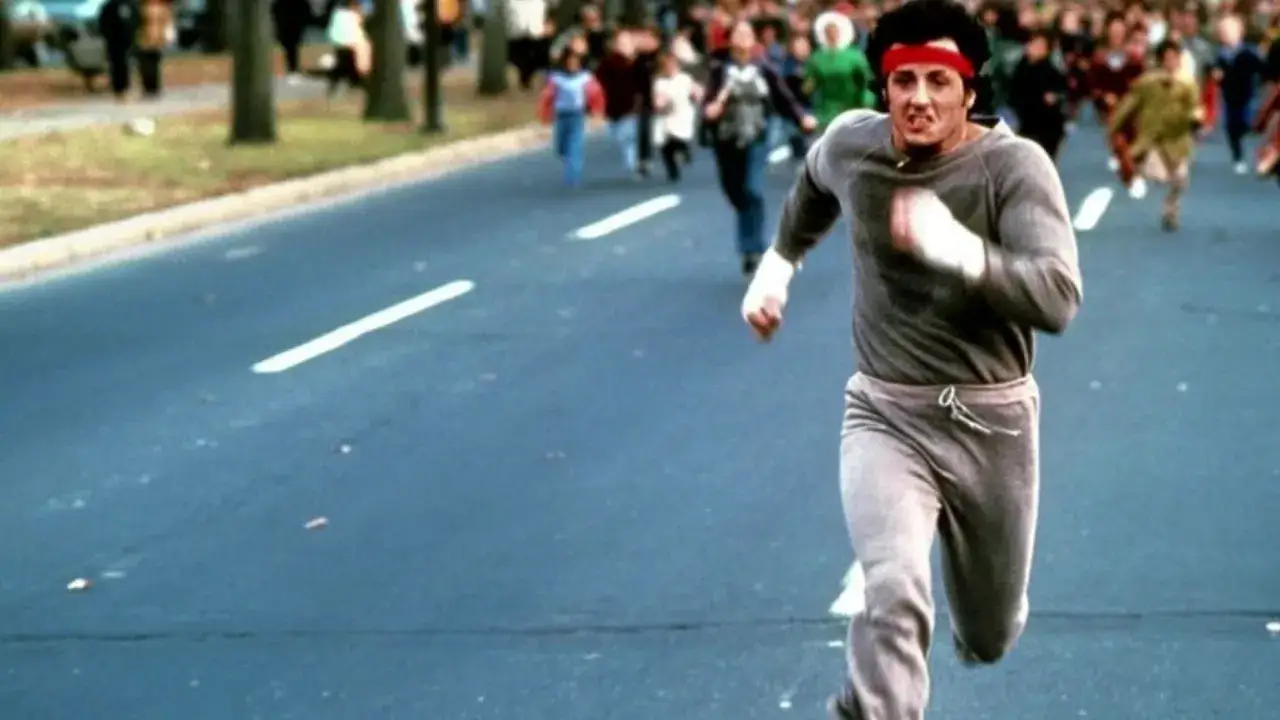
A weekly running structure that fits boxing
If I were building mileage for a boxer, I would split it into three useful pieces: steady-state running, interval work, and recovery movement. That gives you the aerobic base, the repeat-sprint ability, and enough breathing room to keep boxing sessions sharp.
| Run type | Typical session | Why it helps boxing |
|---|---|---|
| Steady-state run | 3 to 5 miles at a conversational pace | Builds the base that keeps you from gassing out early |
| Fartlek or tempo work | 20 to 30 minutes with pace changes | Teaches you to recover while the effort is still changing |
| Intervals or hill sprints | 15 to 25 minutes total, with hard bursts and full recovery | Matches the stop-start nature of exchanges and counters |
| Easy recovery movement | 20 to 40 minutes of walking or very light jogging | Helps you stay active without draining the nervous system |
Ross Enamait’s boxing conditioning material has long leaned in this direction too, with shorter roadwork on non-interval days and interval sessions kept to a few times per week. I think that framework still holds up because it respects the real workload of boxing: the legs need to be fresh enough to spar, not just fit enough to finish a run.
The practical rule is simple: if you already have hard bag work, sparring, and lifting in the same week, do not treat running like a free extra. It has a cost. The useful question is not whether you can run more, but whether the additional miles are still making your boxing better.
How fight camp changes the mileage target
Once camp starts to tighten, mileage usually becomes more purposeful. A boxer is no longer trying to just stay fit. The goal becomes specific: recover faster, move well under fatigue, and arrive at sparring with enough pop left to actually learn something.
That is where the weekly pattern often changes. Early in camp, I like more steady running and a manageable amount of interval work. Later on, the total distance may stay similar, but the quality goes up and the body gets more protected from unnecessary pounding. You want enough volume to build confidence, not so much that your footwork turns heavy in the gym.
- General training phase: 2 to 4 runs per week, usually 3 to 5 miles each, with plenty of technical boxing work around it.
- Hard camp phase: 3 to 5 runs per week, often including one longer steady run, one interval day, and one or two moderate runs.
- Weight-cut phase: mileage may rise slightly, but only if it does not disrupt sleep, sparring quality, or joint recovery.
- Heavyweight or power-focused boxer: often less total mileage, more emphasis on intervals, hills, and explosive conditioning.
The biggest mistake is assuming every boxer should chase the same weekly total. A fighter who is already doing brutal sparring sessions may need less roadwork than someone who boxes twice a week and wants to improve general conditioning. The number on the watch matters less than how the body responds when it is time to train hard again.
When running helps and when it starts to hurt
Running helps when it improves your ring work. It hurts when it starts stealing from it. That is the cleanest way I know to judge roadwork volume.
Here are the warning signs that the mileage is getting too aggressive:
- Your legs feel dead during pad work or sparring.
- Your footwork gets flat and slow, even on easy days.
- You are carrying constant shin, calf, or foot soreness.
- Your breathing is better, but your punches have less snap.
- You keep adding miles and getting worse, not better.
If that happens, I usually cut running volume by about 20 to 30 percent for a week and keep the quality sessions intact. In practice, that often means dropping one run, shortening a run by a mile or two, or replacing one hard run with a recovery walk. The point is not to punish the body into adaptation. The point is to keep the boxer fresh enough to train well.
One more thing: not every useful session has to be a hard run. Sometimes the smartest conditioning choice is a lighter day that protects the sparring session coming next. That is especially true when the schedule already includes mitts, bag work, lifting, and multiple rounds in the ring.
The mileage number matters less than the way it supports your rounds
When people ask me about boxing roadwork, I always come back to the same answer: the best mileage is the amount you can recover from while still boxing well. For many fighters, that means 3 to 5 miles at a time, several days a week. For others, it means less running and more targeted intervals.If you want a simple benchmark, start here: build a steady base, add one harder run each week, and watch whether your sparring improves. If it does, the mileage is doing its job. If it does not, the fix is usually not more running. It is better pacing, better recovery, and a more honest look at what your boxing actually needs.
That is the standard I would use in any modern conditioning plan: enough miles to build real stamina, not so many that you lose the speed and sharpness that win rounds.