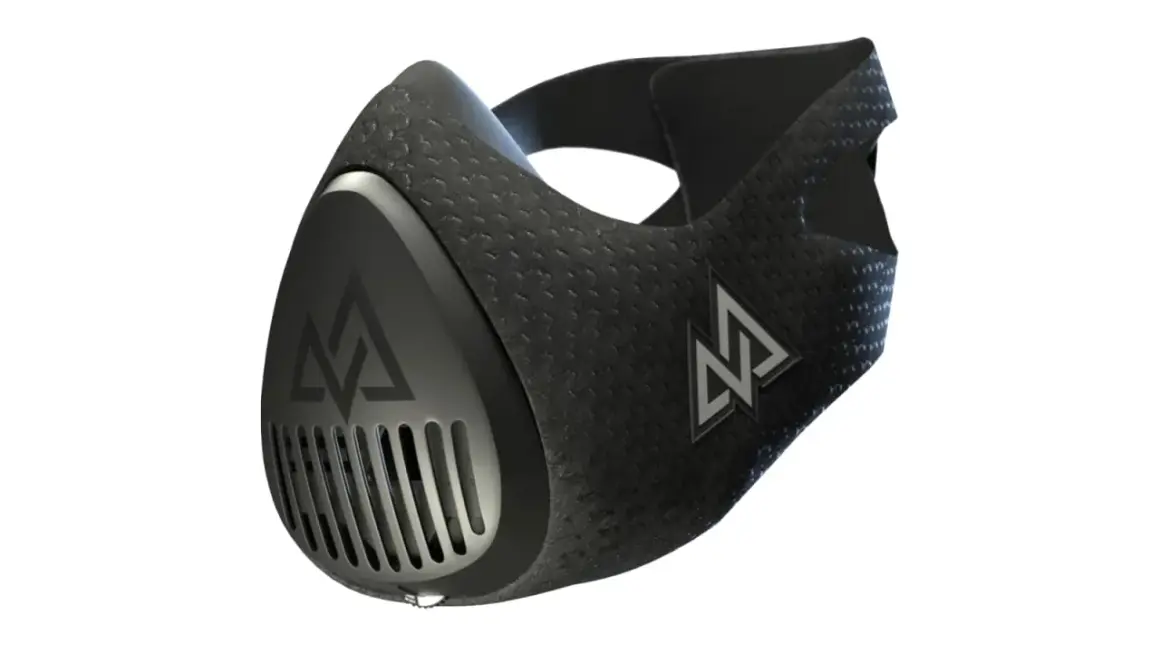
A high elevation mask is best understood as a breathing-resistance tool, not a shortcut to mountain adaptation. For fighters, runners, and functional-fitness athletes, the real question is whether the extra respiratory load is useful enough to justify the discomfort and the added complexity. In this article I break down what the device actually trains, what the research says about conditioning, how I would use it in a camp, and when a different tool is the smarter choice.
What matters most before you spend time on this tool
- It makes breathing harder. That is the main effect, not true altitude exposure.
- The most plausible benefit is respiratory loading. Any gains are more likely to come from breathing-muscle stress than from simulated altitude.
- Performance results are mixed. Research does not show consistent improvements in VO2 max or blood markers.
- It fits controlled conditioning sessions best. Think cardio, intervals, or light circuits, not heavy lifting or live sparring.
- Fit and price vary a lot. In the US, basic models are cheap, branded ones cost more, and premium bundles climb fast.
What the mask is really doing
The device narrows airflow on inhale and exhale, so each breath costs more effort. In practice, that raises the work of breathing and makes you more aware of your ventilatory pattern. I treat it as a form of respiratory overload, which is a very different thing from living or training at real altitude.
That distinction matters because a mask can make a session feel tougher without changing the oxygen content of the air around you. If the goal is a real altitude stimulus, this tool is only a rough imitation. If the goal is to challenge the breathing muscles during conditioning, the idea becomes more reasonable. That is the lens I use before I ever talk about benefits.
Once that is clear, the research becomes much easier to interpret.
What the research actually supports
A recent systematic review of six studies found no meaningful improvements in sports performance and no consistent hematological changes, even though some respiratory measures improved. That is the pattern I keep seeing: the mask can raise breathing demand, but the jump from harder to better is not automatic.
In individual trials, researchers have reported lower oxygen saturation, higher heart rate, and slower movement speed under load. Other studies found small improvements in inspiratory metrics like maximal inspiratory pressure or forced vital capacity, but the results were modest and not consistent enough to treat the mask as a must-have. In strength work, the extra breathing resistance can also reduce bar speed or make the session feel choppier than it should.For conditioning, I read that as a narrow but useful signal. The likely mechanism is respiratory-muscle loading and a higher perception of effort, not a magical altitude effect. That also explains why the next comparison matters so much.
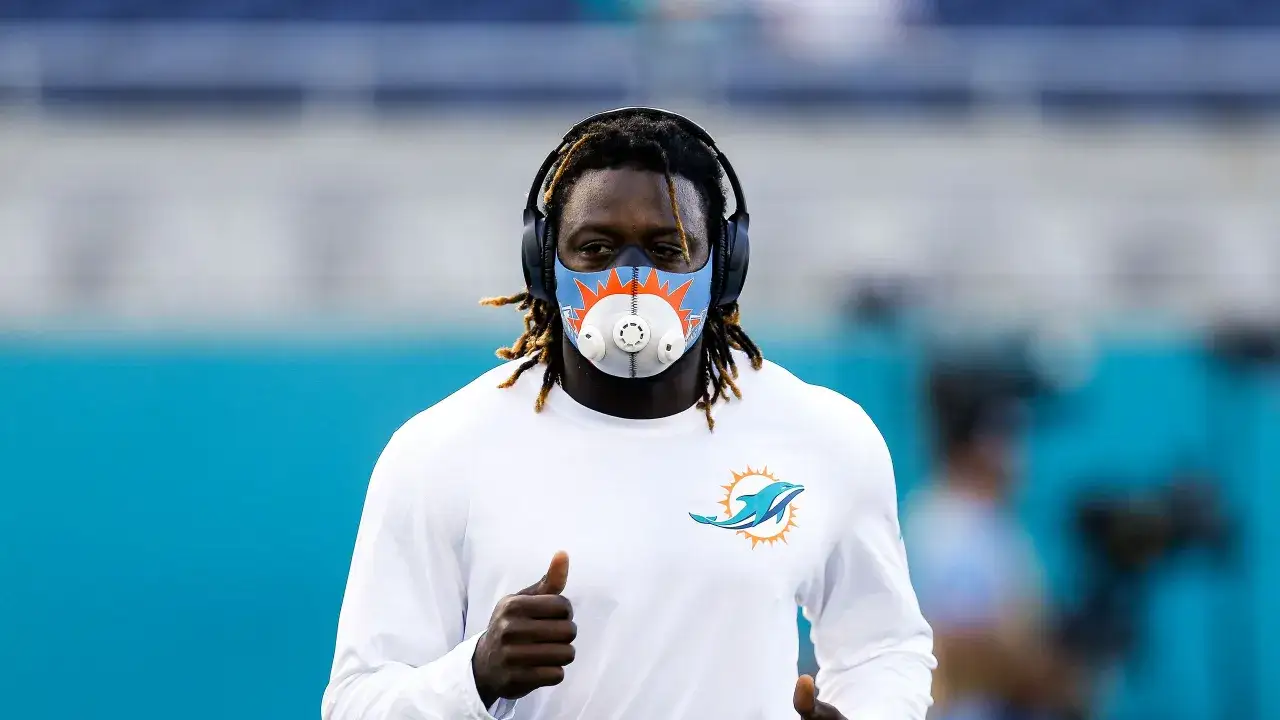
How it compares with other conditioning tools
When I compare this tool with other conditioning options, the hierarchy becomes clearer. The mask sits between general interval training and dedicated breathing devices: more specific than ordinary cardio, but less precise than a true respiratory trainer or actual altitude exposure.| Tool | What it really changes | Best use | Main limitation |
|---|---|---|---|
| Training mask | Adds breathing resistance and discomfort | Submaximal cardio, controlled intervals, sport-specific aerobic work | Does not reproduce real altitude and can reduce power output |
| Inspiratory muscle trainer | Isolates breathing muscles with a measurable load | Targeted respiratory training | Smaller whole-workout conditioning stimulus |
| Altitude tent or true altitude | Lowers oxygen availability | Real acclimation goals | Expensive and logistically heavy |
| Ordinary intervals | Directly improves conditioning through work capacity | Most fight camps and functional blocks | Less novel, requires discipline |
If I had one slot in a weekly program, I would still choose well-programmed intervals first. If I wanted targeted breathing load, I would look at a dedicated inspiratory trainer before I bought a mask. The mask makes sense when you want an extra layer of difficulty without changing your whole program.
That said, there are a few situations where it can earn its place.
How I’d use it in a fight camp or functional-fitness block
I would keep it to one or two sessions per week, at low to moderate intensity, and only when the movement pattern is already stable. The point is to challenge breathing without turning the workout into a form breakdown. In other words, I want respiratory stress, not technical slop.
For boxing and MMA
I would use it on controlled rounds, not on live sparring and not on anything that demands perfect timing under pressure. Think shadowboxing, footwork drills, or bike-based rounds with 3 to 5 efforts of 3 minutes, with 1 minute of rest. That setup is useful because it mimics round structure while keeping decision-making and defense clean.
For CrossFit and circuits
I would pair it with rowers, bikes, ski erg work, sled pushes, or simple bodyweight circuits. I would keep barbell lifts out of the session unless the loads are very light and the movements are already automatic. Once you add technical lifts, the mask becomes more likely to mess with bracing and rhythm than to add useful conditioning.
For runners and cyclists
I would reserve it for easy runs, steady-state aerobic work, or controlled intervals below the point where technique falls apart. If posture collapses, cadence gets messy, or you start fighting for each breath, the session is too hard for the tool. That is usually where people get greedy and turn an accessory into a liability.
Read Also: Altitude Mask Training - Does It Really Work?
A simple progression that works
- Start with 8 to 10 minutes without the mask in the warm-up.
- Use the lowest resistance for the first 2 to 3 sessions.
- Keep the first masked block to 10 to 15 minutes.
- Build toward 15 to 20 minutes only if output and technique stay clean.
- Stay around 5 to 7 out of 10 effort, not all-out suffering.
The rule I use is simple: if the session quality drops, the resistance is too high or the tool is in the wrong workout. That leads directly to the safety and mistake side of the equation.
Who should be careful and what usually goes wrong
I would be especially cautious if you have asthma, exercise-induced bronchoconstriction, COPD, panic symptoms, unexplained dizziness, or cardiovascular issues. That does not automatically ban the tool, but it moves it out of the casual-experiment category. If you are recovering from illness, sleep-deprived, or dehydrated, I would be even more conservative.
Most bad results come from a small set of mistakes:
- Turning the resistance up too fast on day one.
- Using it for heavy barbell work or live sparring.
- Confusing breathlessness with progress.
- Ignoring warning signs like wheeze, chest tightness, lightheadedness, or headaches.
- Never cleaning the mask or replacing worn parts.
If the device makes your output, coordination, or decision-making worse, I count that as a failed use case. A conditioning tool should raise the training stimulus, not wreck the quality of the work. The final question, then, is whether the buying decision makes sense at all.
What to look for in the US market
In the US market right now, basic masks often start around $25 to $35. Branded adjustable models usually land around $60 to $95, and bundle kits can climb to $120 to $200. If you see a much higher price, check whether you are buying extra accessories or a completely different hypoxic system.
When I look at models, I care more about fit and durability than marketing language. The best-feeling mask is usually the one you actually wear consistently.
| Feature | Why it matters |
|---|---|
| Adjustable resistance | Lets you progress without buying a new mask |
| Good seal and sizing | Comfort, fewer leaks, less face irritation |
| Washable parts | Hygiene matters because sweat builds up fast |
| Spare valves or straps | Better long-term value if you train with it often |
| Clear return policy | Fit is personal, and fit is the whole game |
I would pay for comfort and durability before I paid for bigger claims. A more expensive mask does not become more altitude-like just because the checkout page looks premium. That is why the practical recommendation matters more than the branding.
The decision I would make for a real conditioning block
If the goal is better conditioning for boxing, MMA, CrossFit, or general functional fitness, I would build the base with ordinary conditioning first. Aerobic work, intervals, sleds, and sport-specific rounds move the needle more reliably than a breathing gadget. Then, if the athlete already paces well and recovers well, I would add the mask as optional overload.- Use it when you want extra respiratory stress without extra impact.
- Use it on controlled cardio, not complex technical work.
- Use it to test breathing economy, not to prove toughness.
- Drop it the moment output, technique, or recovery gets worse.
That is the standard I would use in 2026: if the mask makes a session measurably better, keep it; if it only makes the workout feel dramatic, leave it on the shelf and spend your energy on the conditioning methods that move the numbers faster.