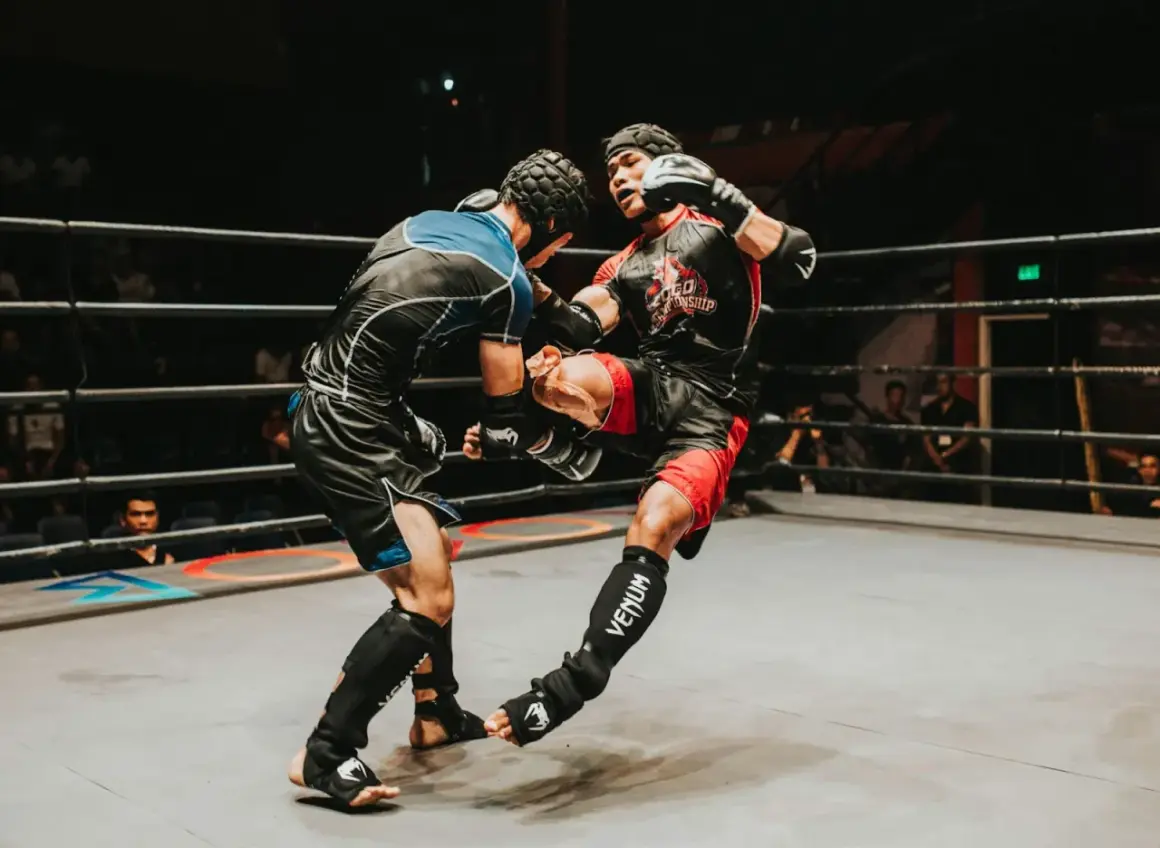
Conditioning in boxing is not just about how long you can keep throwing. The mental layer decides whether you stay patient, breathe through a bad round, and keep seeing openings when your legs are burning. That is the practical side of boxing psychology, where focus, emotional control, and fatigue management all collide.
The mental edge that keeps performance stable when fatigue rises
- Mental conditioning in boxing is about staying clear, not just staying aggressive.
- Breathing, self-talk, imagery, and simple cue words are the tools I trust most.
- Fatigue changes decision-making, so the mind has to be trained under pressure, not only in calm drills.
- Fight-week routines should reduce noise, simplify instructions, and protect confidence.
- Most mistakes come from hype, overload, and practicing mental skills only when training feels easy.
What boxing psychology actually means in conditioning
When I talk about the mental side of boxing, I am talking about the pieces that keep a fighter functional under strain: arousal control, attention, emotional recovery, and confidence. A boxer who can think clearly in round 1 but loses structure in round 6 is not lacking heart; the conditioning simply has not reached the nervous system yet.
Recent combat-sport research points in the same direction. Fighters who are mentally tough tend to show lower pre-competition anxiety and higher self-confidence, and the mental skills most often linked to success include self-talk, relaxation, concentration, goal setting, coping with being hit, and imagery. That fits what I see in the gym: the athletes who stay dangerous late are usually the ones who can regulate themselves before they ever try to dominate someone else.
So mental conditioning is not a separate add-on. It is the part of camp that keeps technique available when oxygen debt, pressure, and noise all show up at once. Once that is clear, the next question is which skills actually hold up when the round gets messy.The mental skills that matter when the round gets ugly
I usually narrow the mental game down to five tools. They are simple, but simplicity is the point. A fighter in stress does not need a lecture; he needs something usable in two seconds.
- Breathing control helps slow the spike in tension and keeps the shoulders from turning into a shell. Controlled exhalation is especially useful after exchanges, clinches, and missed combinations.
- Self-talk replaces panic language with task language. Instead of “I am gassing,” the fighter gets back to “jab first” or “exit after the hook.”
- Imagery is mental rehearsal. I like fighters to picture the first minute, a bad moment, and a clean reset, not only highlight-reel success.
- Attention cues keep the brain from wandering. Short prompts like “hands high,” “see the chest,” or “touch and move” are more useful than emotional speeches.
- Goal setting keeps the camp process-driven. The goal is not “be fearless”; it is “win the third minute of every round” or “recover your stance after every miss.”
The pattern is consistent: each tool reduces noise and gives the athlete a narrow task. That matters because the fight does not become easier under fatigue, so the preparation has to become more specific.
Those skills are useful in theory, but they only become real when they are built into camp, not saved for fight week.

How I build mental conditioning into a boxing camp
If I were designing a camp from scratch, I would rather have five repeatable mental drills than one dramatic motivational speech. The drills below are simple enough to keep, but they are hard enough to matter when the pace rises.
| Drill | How I use it | What it trains | Common mistake |
|---|---|---|---|
| Breath reset | Three slow exhales between rounds or after a hard exchange | Lower arousal, faster recovery, better composure | Trying to breathe huge instead of controlled |
| Shadowboxing with one cue | Give the round a single task, such as jab-first or angle-out | Attention discipline and tactical clarity | Layering too many instructions at once |
| Bag work under fatigue | Finish a hard interval, then throw a technical round with one focus | Decision-making while tired | Letting form collapse and calling it toughness |
| Visualization of trouble spots | Mentally rehearse getting hit, clinching, or losing a round, then resetting | Emotional recovery and confidence under stress | Only visualizing success and avoiding discomfort |
| Self-talk script | Use 2-3 short phrases like “eyes up,” “touch first,” “finish clean” | Fast internal direction | Using hype words that disappear once fatigue hits |
I like to keep the dosage small and consistent: 5 to 10 minutes of mental work on most training days, then a slightly longer reset session once or twice a week. The point is not to make the athlete feel calm in perfect conditions; the point is to make clarity available when the body is already working hard.
In U.S. fight camps, the easiest mistake is to separate the mental work from the physical work. I prefer to blend them until the athlete no longer treats them as different jobs.
Once that work is in place, the real test is whether the routine still holds when the bout date gets close.
Fight-week and fight-night routines that keep the nervous system steady
Fight week should reduce friction, not create it. I want the athlete to know exactly what the warm-up looks like, what the corner language sounds like, and what the first minute is supposed to feel like. Too much novelty late in camp makes the brain spend energy on questions it does not need.
- Keep the warm-up familiar. Fight night is not the place to experiment with new activation drills.
- Use one or two corner cues, not five. Under pressure, short is better than clever.
- Rehearse the walkout and first exchange. Familiarity lowers the shock of the moment.
- Protect sleep and weight-cut discipline. A stressed body makes a noisy mind.
- After a mistake, reset fast. One breath, one cue, one next action.
The practical corner rule is simple: if I cannot explain the adjustment in one sentence, the fighter will not process it in time. That is especially true in the United States, where some gyms still overload athletes with advice and then call the confusion “experience.”
What works better is a rhythm the fighter can trust. The nervous system likes repetition, and boxing punishes athletes who only feel prepared when everything is going well.
The danger is not lack of motivation; it is the small training habits that quietly destroy clarity.
The mistakes that sabotage mental conditioning
The first mistake is trying to stay angry all the time. Aggression has its place, but a fighter who depends on rage usually burns energy too early and loses judgment when the round gets ugly. I want controlled urgency, not emotional chaos.
The second mistake is practicing mental skills only when the athlete is fresh. Breathing drills are easy when the heart rate is low. They matter when the legs are heavy, the face is hot, and the boxer has to make a choice in half a second.
The third mistake is using too many cues. A fighter who is told to think about hands, feet, head movement, angle, pressure, and timing all at once will usually freeze or simplify badly. One round, one objective.
The fourth mistake is treating conditioning as punishment rather than adaptation. If every hard session ends with technical collapse, the athlete is learning panic, not control. Hard work should sharpen decision-making, not erase it.
The fifth mistake is ignoring recovery. Poor sleep, poor fueling, and a bad weight cut can look like a confidence problem when the real issue is that the brain is under-resourced. That is why mental work and physical conditioning have to stay linked.
That leads to the more useful question: how do you know the work is actually transferring into the ring?
The signs that the work is actually showing up in the ring
I look for small signs first, because those are usually the real ones. A fighter does not need to feel invincible; he needs to recover faster and think cleaner after stress lands.
- Breathing settles faster after exchanges or clinches.
- Corner instructions are heard and acted on instead of disappearing.
- A missed shot does not trigger a spiral.
- The guard stays organized when fatigue rises.
- Late-round decisions become simpler, not sloppier.
- The athlete can reset after getting hit instead of mentally checking out.
If those markers are not improving, I do not automatically blame toughness. Sometimes the issue is too much pressure, too much volume, or a deeper anxiety pattern that needs help from a qualified sports psychologist or clinician. That is not a weakness; it is just a better intervention.
The best conditioning in boxing is not louder confidence. It is repeatable calm under load, and that is built through simple habits practiced until they survive fatigue, pressure, and disappointment.