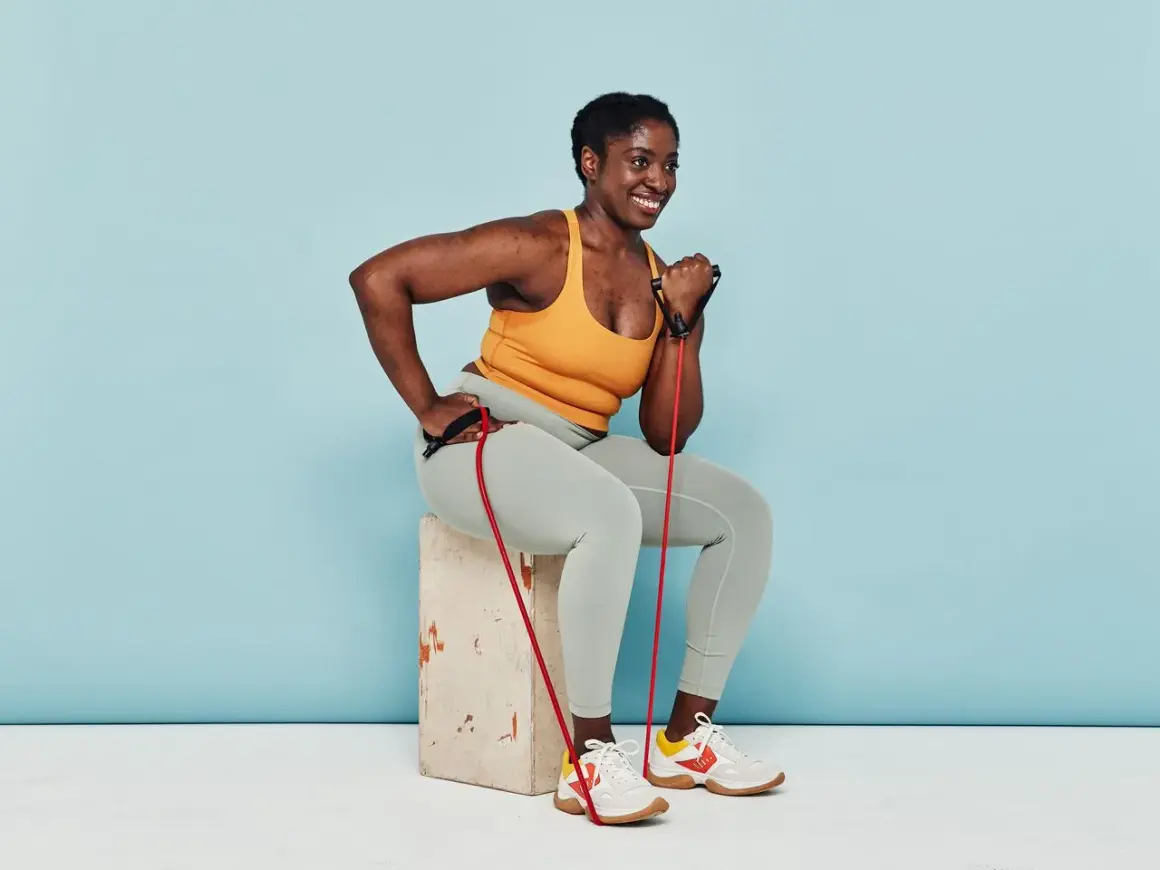
The fastest gains come from pairing heavy presses, pulls, and direct arm work
- Train the whole arm, not just the biceps: triceps, forearms, and grip matter as much or more.
- Use compound lifts to build the ceiling, then add isolation work to fill the gaps.
- For strength, most main sets should live in the 3-6 rep range; accessory work usually fits better at 8-15 reps.
- The CDC’s baseline is muscle-strengthening work on at least 2 days a week, and that is the floor I build from.
- Keep wrists neutral, control the lowering phase, and stop letting momentum do the job.
What arm conditioning really needs to cover
When people say they want stronger arms, they often mean three different things at once: more force, more size, and more staying power. I separate those goals on purpose, because the exercise choice changes depending on whether you need to press harder, pull longer, or keep your hands working under fatigue.
The biceps help with elbow flexion and pulling, but the triceps usually do more of the heavy lifting when you are pressing or extending the arm. Forearms and grip finish the job by keeping the wrist stable and the hand attached to the implement, whether that implement is a dumbbell, a bar, a heavy bag, or someone else’s wrist in a clinch.In practice, I think of the arm as a force transfer system. The trunk and shoulders generate and stabilize force, and the arms deliver it; if the link is weak, everything downstream leaks power. That is why the most useful arm work always reaches beyond curls alone.
Once that picture is clear, choosing the right movements gets much easier.
The moves that build strength instead of just a pump
I prefer exercises that let you load the pattern, not just chase a burn. The table below covers the movements I reach for most often when I want direct arm development with real transfer.
| Exercise | Main focus | Why it earns a place | Notes |
|---|---|---|---|
| Close-grip push-up or dumbbell floor press | Triceps, chest, front delts | Easy to progress and highly transferable to pressing strength | Use a controlled elbow path and keep the shoulders from rolling forward |
| One-arm row or chin-up | Biceps, brachialis, back, grip | Builds pulling strength and elbow resilience at the same time | Neutral grip is often easier on the elbows |
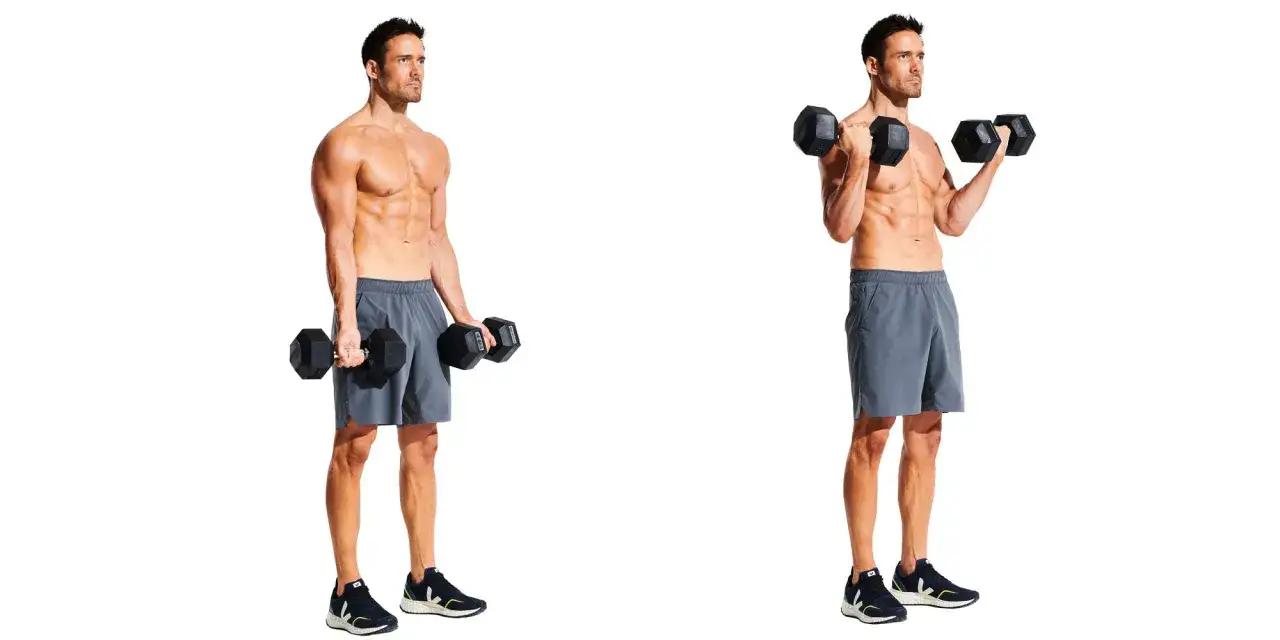
| Hammer curl | Brachialis, brachioradialis | Adds thickness and is often joint-friendly | Keep the forearm vertical and avoid swinging |
| Overhead triceps extension | Long head of the triceps | Hits a triceps head many people undertrain | Let the shoulder move naturally instead of locking everything down |
| Pressdown or band extension | Triceps volume | Easy to recover from and useful for higher-rep work | Best as finish work rather than the main lift |
| Farmer’s carry | Grip, forearms, upper back | Teaches force production under fatigue | Walk tall and do not shrug |
| Reverse curl | Brachioradialis, forearms | Balances elbow-flexor work and builds forearm durability | Keep the wrists straight throughout the rep |
That leads naturally into programming, because the right exercises only work when the weekly dosage makes sense.
How to program arm work so it actually gets stronger
The CDC says adults need at least 2 days a week of muscle-strengthening activity, and ACSM’s latest resistance-training guidance still points heavy strength work toward about 80% of 1RM. 1RM, or one-repetition maximum, is the most weight you can lift once with clean form. I use those ideas as anchors, then adjust volume and exercise selection to the person in front of me.
For most healthy lifters, a simple structure works well:
| Goal | Sets and reps | Rest | What it feels like |
|---|---|---|---|
| Pure strength | 3-5 sets of 3-6 reps | 2-3 minutes | Heavy, crisp, technically clean |
| Strength plus size | 3-4 sets of 6-12 reps | 60-120 seconds | Challenging but repeatable |
| Arm endurance | 2-3 sets of 12-20 reps | 30-60 seconds | Local fatigue, little technique breakdown |
In my coaching notes, I usually cap direct arm work somewhere around 6-10 hard sets per muscle group each week for beginners, then let advanced lifters push a little higher if recovery is solid. If you already press, row, grapple, or do a lot of bag work, you may need less isolation than you think.
Progress should be boring on purpose: add a rep, then a small load jump, then another rep cycle. Bands can progress through more tension, slower eccentrics, or longer pauses if the setup is limited. That kind of progression beats random exercise hopping every time.
Once the weekly structure is in place, the next bottleneck is usually technique, not effort.
Technique details that save elbows and shoulders
The fastest way to stall arm gains is to train through sloppy reps and call it intensity. I watch four things first: wrist position, elbow path, shoulder control, and how much momentum the athlete needs to finish the rep.
- Keep the wrist stacked over the forearm. A bent wrist may feel like extra work, but it usually steals force and irritates joints.
- Lower the weight under control for about 2-3 seconds. The eccentric phase, or lowering phase, is where you build a lot of tissue tolerance.
- On curls, move the elbow without swinging the torso. If the chest is doing the work, the biceps are just along for the ride.
- On presses and triceps work, stop before the shoulders roll forward or the lower back arches hard. That trade-off is expensive and rarely necessary.
- Leave 1-2 clean reps in the tank on most sets. Chasing failure every time is a bad deal for tendons and for skill quality.
A useful rule: if an exercise lights up your elbows in a sharp, annoying way, change the grip, shorten the range slightly, or pick a different angle before you force more volume. Neutral grips, cables, bands, and floor presses are all practical ways to keep training when straight-bar work feels irritating.
When the mechanics are honest, you can build a session that is short, targeted, and actually recoverable.
A simple arm session that covers the basics
I like sessions that stay under 40 minutes, especially for athletes who still have skill work, sparring, or conditioning on the same week. This template hits pressing, pulling, direct arm work, and grip without turning into a marathon.
| Exercise | Sets x reps | Rest | Why it is here |
|---|---|---|---|
| Warm-up: band pull-aparts, scap push-ups, light curls | 5-6 minutes | None | Gets shoulders and elbows ready |
| Close-grip push-up or dumbbell floor press | 4 x 5-8 | 2 minutes | Primary triceps-focused press |
| One-arm dumbbell row or chin-up | 4 x 6-8 | 90-120 seconds | Balances the press and builds pulling strength |
| Hammer curl | 3 x 8-12 | 60-90 seconds | Direct biceps and brachialis work |
| Overhead triceps extension or band pressdown | 3 x 8-12 | 60-90 seconds | Direct triceps volume with controlled tension |
| Farmer’s carry | 4 x 30-45 seconds | 60 seconds | Grip and forearm conditioning under load |
If you only have bands, swap the floor press for a band press, the row for a band row, and the carry for a hard suitcase hold. The exact tool matters less than the quality of the tension, the range of motion, and your ability to repeat the work week after week.
This is also the point where combat-sport athletes start asking a different question: what actually carries over to performance?
Why fighters and functional athletes should train arms differently
For combat sports, arm strength is rarely about showing off a single lift. It is about structure. In boxing, the arms help transmit force from the legs and trunk into the strike; in grappling, they control distance, frames, grips, and posture; in mixed functional work, they keep carries, climbs, and object handling from falling apart at the end of a hard set.
That is why I usually prioritize neutral-grip work, rows, chin-ups, carries, and triceps strength that shows up in pressing and framing positions. These choices tend to be more durable than endless high-rep curls, and they match the kind of repeated effort fighters actually need.
Bag work and pad rounds are useful for conditioning, but they are not a substitute for progressive resistance. Hitting mitts develops timing, rhythm, and endurance; it does not reliably give you measurable overload on the same muscle group week after week. When I want better transfer, I keep the skill work and the strength work separate but coordinated.
That coordination is what makes the next step simple: keep the plan stable long enough to see progress.
The simplest way to keep stronger arms week after week
If I were starting from scratch, I would choose one press, one pull, one curl, one triceps isolation, and one loaded carry, then run that template for 6-8 weeks without constant swapping. That is usually enough to improve arm size, force, and endurance at the same time, which is exactly what most people need from arm strength exercises.
The real win is not novelty; it is consistency. Train the same patterns often enough to improve them, keep the loads honest, and let recovery catch up before you chase more volume. If your elbows feel beat up, cut a little direct arm work before you cut the compound lifts, and make the grips more neutral before you give up on the session entirely.
Strong arms are built by useful repetition, not random fatigue. Keep the structure clean, stay close to the basics, and the numbers will move without turning the process into a guess.