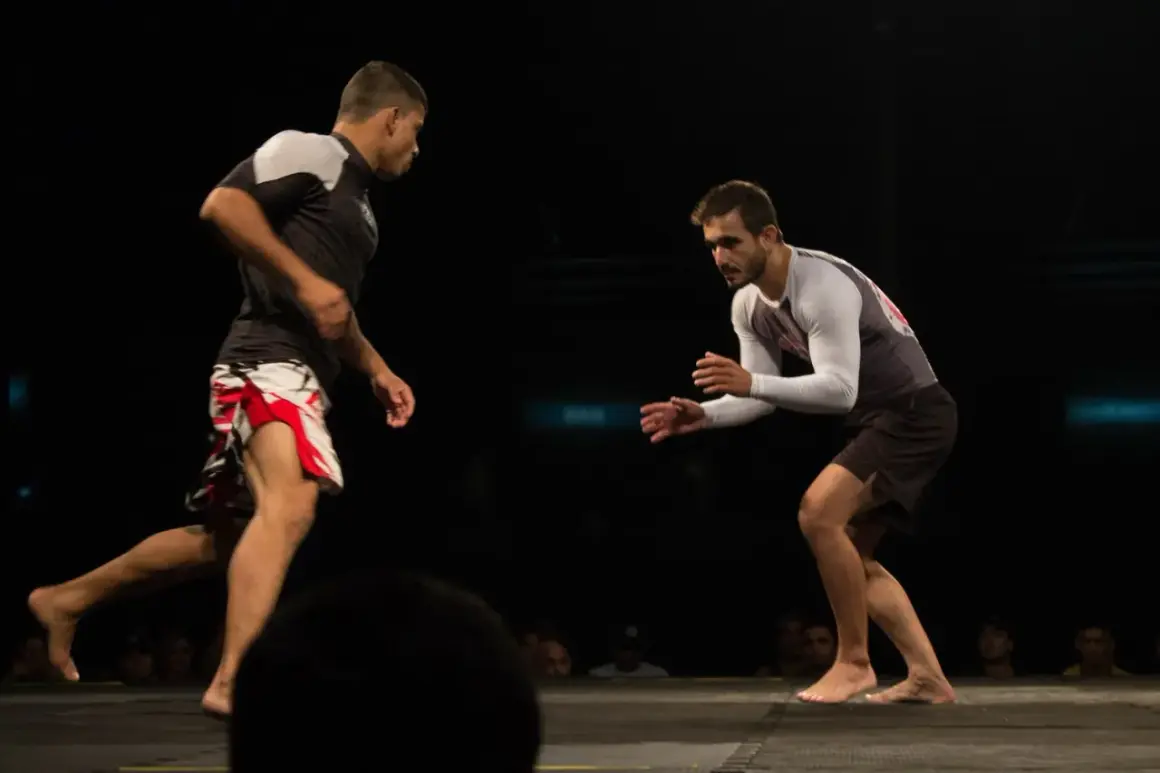
Conditioning is not just about going harder. It is about making your body repeat quality work when fatigue starts to change pace, technique, and decision-making. In combat sports and functional fitness, that is where endurance and stamina stop being abstract fitness terms and become a real performance edge.
Key points for building a bigger gas tank
- Aerobic base work makes recovery between bursts faster and lowers the cost of each round.
- Threshold and interval training raise the pace you can hold before form and breathing break down.
- Strength work supports muscular endurance, bracing, and repeatability under fatigue.
- Specificity matters: train round lengths, rest periods, and movement patterns that match your sport.
- Recovery is part of conditioning, not a separate luxury, especially when you spar or cut weight.
What endurance and stamina mean in real training
I separate these two ideas because it keeps the programming cleaner. Endurance is the ability to keep producing work over time, while stamina is the ability to resist fatigue well enough to stay sharp inside that work. In practice, a fighter, runner, or hybrid athlete needs both: the engine to keep moving and the ability to keep that engine useful when the legs burn and the breathing gets ugly.
That is why I look at conditioning through three lenses: cardiorespiratory fitness, muscular endurance, and repeat-effort capacity. Cardiorespiratory fitness is the body’s ability to deliver oxygen to working muscles; muscular endurance is how long a muscle group can keep contracting without falling apart; repeat-effort capacity is how well you can produce quality bursts again and again. If one of those is weak, the whole session starts to unravel. Once you see the difference, choosing the right training method gets much easier.The conditioning methods that actually move the needle
There is no single best conditioning method. I usually build around a base of easy aerobic work, then layer in threshold efforts and harder intervals. Current U.S. guidance still points adults toward 150 to 300 minutes of moderate aerobic work each week, or 75 to 150 minutes of vigorous work, plus at least two days of strength work. For athletes, I treat that as a floor, not a ceiling, because sport-specific work adds another layer on top.
| Method | What it improves | Example | Main limitation |
|---|---|---|---|
| Easy aerobic work | Recovery, base fitness, work capacity | 30 to 60 minutes at a conversational pace on a bike, run, rower, or incline walk | Builds slowly if it is the only thing you do |
| Threshold intervals | Ability to hold a hard pace without fading | 4 x 6 minutes hard but controlled, with 2 minutes easy between reps | Easy to turn into a race if ego takes over |
| HIIT or sprint intervals | Repeat-sprint ability, aerobic ceiling, fast recovery under stress | 8 x 1 minute hard with 1 minute easy, or 6 x 30 seconds all-out with 90 seconds easy | Very effective, but also the easiest way to accumulate too much fatigue |
| Strength-endurance circuits | Local muscular endurance, trunk stability, fatigue resistance | 3 to 5 rounds of 4 to 6 movements, 30 to 45 seconds per station | Good support work, but not a substitute for aerobic conditioning |
I like this mix because it respects how performance actually happens. A hard round in boxing or MMA is not just a cardio problem; it is a breathing problem, a bracing problem, a pacing problem, and a repeatability problem. If your joints are beat up, I also favor lower-impact tools like the bike, rower, sled, or incline treadmill so the conditioning improves without trashing your movement quality. That leads naturally to the part most people skip: how to arrange the work across a week.
A weekly conditioning template for fighters and functional athletes
Training structure matters as much as session choice. I prefer one week that has a clear purpose instead of a pile of random hard efforts. If you are preparing for combat sports, the most useful rule is simple: match the work blocks and rest periods to your sport as often as you can.| Day | Session | Why it works |
|---|---|---|
| Monday | Strength session plus 10 to 15 minutes of easy aerobic work | Builds force production without adding unnecessary fatigue |
| Tuesday | Zone 2 conditioning for 35 to 45 minutes | Raises the aerobic base and speeds recovery between harder sessions |
| Wednesday | Intervals such as 5 x 3 minutes hard with 2 minutes easy | Teaches the body to sustain a demanding pace and recover quickly |
| Thursday | Strength session plus mobility or light movement | Supports muscular endurance and keeps the body resilient |
| Friday | Sport-specific rounds, such as 4 to 6 x 5 minutes with 1 minute rest | Builds conditioning that transfers directly to sparring or competition |
| Saturday | Easy recovery work or a complete rest day | Lets the hard work actually adapt instead of just accumulating fatigue |
| Sunday | Off or very light movement | Resets the system before the next block |
If you only have three conditioning days, I would keep it brutally simple: one easy aerobic day, one interval day, and one sport-specific day. That combination covers the base, the ceiling, and the transfer. The mistake is trying to cram every method into every week and then wondering why performance stalls instead of improves. From there, the real question becomes whether the work is paying off.
How to know the work is paying off
I do not measure conditioning by suffering. I measure it by repeatability. If the same pace feels easier, if your breathing settles faster between rounds, and if your technique stays cleaner under fatigue, the program is working. VO2 max matters, but in a fight camp or performance block I care even more about whether you can reproduce output without a big drop-off.
Simple checks are usually enough:
- You can hold the same pace, watts, or round output with less strain.
- Your heart rate settles faster after hard intervals.
- Your footwork, guard, posture, or bar path stays cleaner late in the session.
- You stop dreading the second half of a workout because it no longer feels like a collapse point.
If you track data, compare like with like: same route, same machine, similar temperature, similar sleep, similar fuel. If you do not track data, use a blunt but useful test: can you finish the session with the same quality you had at the start? When the answer is yes more often than not, conditioning is moving in the right direction. The fastest way to ruin that progress is usually not lack of effort, but poor programming.
The mistakes that stall conditioning
Most conditioning problems are not about effort. They are about mismatched stress. I see the same errors over and over, especially in combat athletes who think every session should feel like a test.
- Doing too much HIIT and turning every workout into a redline session.
- Skipping the aerobic base, then wondering why recovery between bursts is still slow.
- Training to exhaustion too often, which makes the body good at being tired rather than good at producing work.
- Ignoring specificity, so the session looks brutal but does not match the round length, rest, or movement demands of the sport.
- Stacking hard conditioning on top of hard sparring until technique, sleep, and motivation all start slipping.
- Failing to progress anything, so the body adapts once and then coasts.
The fix is usually boring, but it works: keep most work submaximal, reserve truly hard intervals for one or two sessions a week, and make the hardest day earn its place. That same logic applies to recovery, which is where many athletes quietly lose the most progress.
Recovery is the hidden half of conditioning
If I had to choose one thing that most directly supports better conditioning, I would pick sleep. Adults need at least 7 hours per night, and hard training is simply less effective when sleep is chronically short. After that, the basics matter more than fancy gadgets: enough food, enough fluids, enough time between high-stress sessions, and a realistic week that does not demand peak output every day.For combat sports and functional training, I pay attention to four recovery levers:
- Sleep so the nervous system and tissues can adapt instead of just surviving.
- Fueling so hard sessions are not performed in a depleted state.
- Hydration because dehydration quietly lowers output and raises perceived effort.
- Spacing so sparring, intervals, and heavy strength work do not crush each other.
I also think athletes underestimate the effect of cutting weight on conditioning. When calories are low, the same workout feels harder, recovery slows down, and the body protects itself by dropping output. That does not mean the program is bad; it means the total stress may be too high for the current phase. The smartest move is to reduce noise and keep the plan simple enough to recover from.
The simplest version I would run in the real world
- Build an aerobic base with two to three easy sessions each week.
- Add one threshold or interval session that matches your sport’s work-rest pattern.
- Keep two strength sessions in the week to support muscular endurance and durability.
- Leave room for recovery so hard sessions stay high quality.
- Measure progress by repeatability, not by how destroyed you feel.
If I were coaching an athlete right now, that is the version I would trust first. It covers the engine, the ceiling, and the ability to repeat hard efforts without breaking down. That is the real goal of conditioning: not just to last longer, but to stay effective longer.