
Explosive training is about producing force quickly, not just lifting more weight or surviving longer sessions. The best workouts for explosiveness combine speed-strength work, plyometrics, sprint-based conditioning, and enough recovery to keep every rep sharp. In this guide I break down what actually drives power, which exercises are worth your time, how to organize a week, and where most athletes sabotage the result without realizing it.
What matters most when the goal is faster output and better carryover
- Power is force applied fast, so the session has to reward speed, not grinding.
- Moderate loads and aggressive intent usually beat maximal loading for pure power work.
- Plyometrics, jumps, throws, and sprints are the most direct tools for explosive output.
- Two to three focused sessions per week is enough for most lifters and athletes if recovery is managed well.
- Conditioning should support repeatability, not turn every session into a fatigue contest.
- When speed drops, the set is over; extra reps rarely produce extra explosiveness.
What explosiveness really is and why it is not just strength
When I talk about explosiveness, I am talking about how quickly you can create force. That is not the same thing as being strong in a slow, maximal sense, and it is not the same thing as being “fit” in the cardio-only sense either. Power sits at the intersection of strength and velocity, which is why the best explosive training respects both.
The simplest way to think about it is this: strength gives you the ceiling, but speed decides whether that ceiling shows up in a sprint, a punch, a jump, or a quick change of direction. A lifter who can squat a lot but cannot express force fast often looks powerful on paper and ordinary in motion. That is exactly why speed-strength work matters.
| Quality | What it improves | Best tools | Common mistake |
|---|---|---|---|
| Max strength | Force production against heavy resistance | Heavy squats, presses, pulls | Training too slow to transfer well to sport speed |
| Power | High force at high speed | Jumps, throws, moderate-load lifts moved fast | Using loads that force grinding reps |
| Speed | Rapid movement and acceleration | Sprints, bounds, throws, acceleration drills | Too much fatigue, not enough recovery |
| Conditioning | Repeatability under rising fatigue | Intervals, short rounds, sled work | Turning power sessions into long endurance work |
ACSM’s 2026 resistance-training update lines power work up at roughly 30-70% of 1RM, with the concentric phase moved as quickly as possible. That matches what I see in practice: if the load is so heavy that speed disappears, the session stops being a power session and starts being a strength session with a different label.
Once that distinction is clear, exercise selection becomes much easier, because the best tools are the ones that let you move fast without losing shape. The next step is choosing those tools well.
The exercise families that create the biggest carryover
There are many ways to train explosively, but a few categories consistently pull more weight than the rest. I usually organize them by what kind of force they teach: vertical power, horizontal power, rotational power, or repeated burst capacity. That keeps the program honest and helps prevent the usual mistake of stacking random “athletic” drills with no clear purpose.
| Exercise family | Why it works | Best use | Main caution |
|---|---|---|---|
| Jumps and bounds | Teach stiffness, takeoff mechanics, and elastic rebound | Lower-body explosiveness, acceleration, landing control | Too many contacts can beat up the ankles, knees, and calves |
| Sprints and accelerations | Directly train rapid force application into the ground | Speed development, combat sports bursts, field carryover | Needs full recovery or the quality drops fast |
| Medicine-ball throws | Allow all-out intent with low joint cost | Upper-body and rotational power, especially for fighters | Use light enough loads to stay snappy |
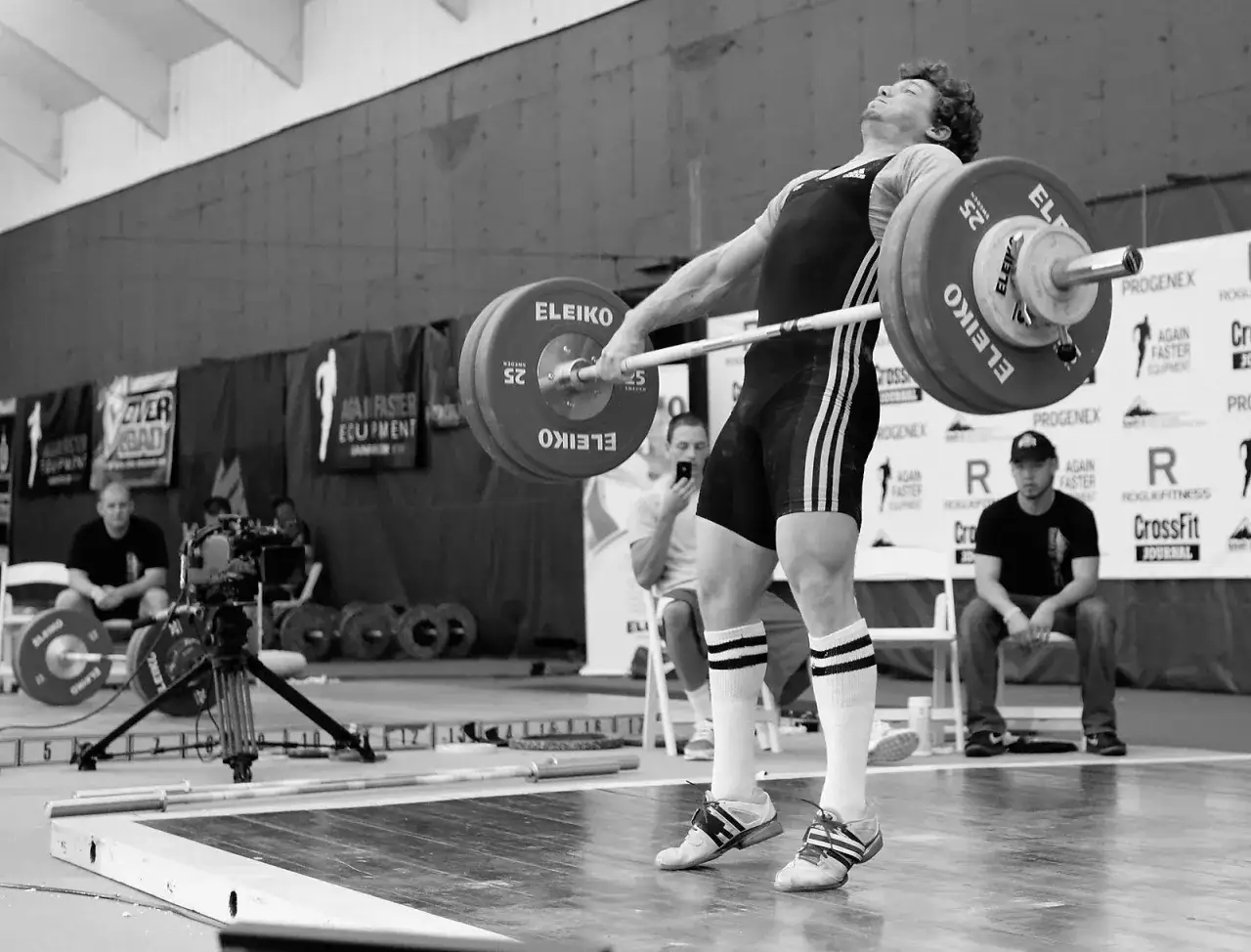
| Olympic-lift derivatives | Blend strength, timing, and triple extension | Advanced athletes who already move well | Technique breaks down quickly when fatigue rises |
| Sled pushes and pulls | Build horizontal force and repeatable acceleration | Acceleration work and short conditioning bursts | Too much load turns it into a slow march |
| Kettlebell swings and trap-bar jumps | Simple, efficient ways to train hip snap | General athletic power and low-complexity sessions | Reps stay low when the goal is speed |
If the movement starts to look smooth but slow, you are drifting away from explosiveness. I would rather see six sharp medicine-ball throws than twenty tired ones, because the nervous system learns from speed more than from surviving volume.
The best programs usually mix two or three of these families instead of relying on one. That leads directly to the question of frequency, recovery, and how to build a week that actually improves output instead of just accumulating fatigue.
How to structure a week without flattening the nervous system
For most healthy adults, 2 to 3 explosive sessions per week is plenty. The plyometric literature commonly uses that range for short blocks, often 4 to 16 weeks, and recovery windows of 48 to 72 hours between hard plyometric days are common. That spacing matters because explosiveness falls apart when the body is still carrying yesterday’s fatigue.
My rule is simple: keep the week short enough that every session still looks like speed work, not survival training. If you are also sparring, running, or doing heavy lifting, you usually need less explosive volume than you think. Two focused sessions beat three muddy ones almost every time.
- Use moderate loads for power, usually in the 30-70% 1RM range, and move them aggressively.
- Keep reps low, commonly 2-5 quality reps per set, so technique and bar speed stay intact.
- Rest longer than you want, often 2-4 minutes for true power work, because short rest steals output.
- Stop before speed fades; if the third or fourth rep looks slower than the first two, the set already gave you enough.
- Separate hard lower-body plyos from hard sprint or sparring days when possible so the legs can actually recover.
| Day | Focus | Example work |
|---|---|---|
| Monday | Lower-body power | Jumps, trap-bar jumps, moderate-load squats moved fast |
| Wednesday | Speed and upper-body power | Short sprints, med-ball throws, rotational work |
| Friday | Total-body repeatability | Sled pushes, short intervals, contrast work |
When training load is already high, I would rather trim the plan than force another hard day. Explosiveness is a quality that gets sharper with recovery, not one that improves because you are constantly smoked. Once the week is in place, the session itself can be built with much more precision.
A session template you can run in the gym or on the field
If I had to build one practical session for speed and power, I would keep it short, crisp, and easy to repeat. The goal is not to leave the room exhausted; the goal is to leave the room having trained the nervous system to fire harder and faster. A good session has an obvious warm-up, a real power block, and conditioning that still respects output quality.| Phase | Work | Rest | Purpose |
|---|---|---|---|
| Warm-up | 5-10 minutes of mobility, skips, pogo hops, and landing prep | Easy, continuous | Prepare ankles, hips, and trunk for fast contacts |
| Primer | 4 sets of 3 medicine-ball rotational throws per side | 45-60 seconds | Wake up intent without creating fatigue |
| Main power | 4-5 sets of 3 trap-bar jumps or fast squats at 30-70% 1RM | 2-4 minutes | Build force while keeping movement speed high |
| Speed finish | 6-8 rounds of 10-second sprint or sled bursts | 50-90 seconds | Train repeatable acceleration without turning the session into a grind |
| Cool-down | Light mobility and breathing work | 5 minutes | Help recovery and downshift the system |
The important detail is not the exact exercise list. It is the structure: warm up, express power, then dose conditioning in a way that still protects speed. If you want a simple litmus test, ask whether the last rep looks as explosive as the first one. If the answer is no, the session is already too long.
That also points to the most common place where athletes go wrong, because they confuse effort with effective power training. The next section is where I usually save people the most time.
The mistakes that quietly kill speed
- Turning power work into cardio. Short rest and high density may feel hard, but they usually reduce output before they improve it.
- Going too heavy too often. Maximal loading has a place, but if every session turns into a grind, speed drops and joint stress rises.
- Using too many plyometric contacts. Jumps are useful; endless jumps are not. Quality contacts beat big contact counts.
- Skipping the strength base. Pure speed work works better when the athlete already has enough lower-body and trunk strength to express force.
- Chasing novelty instead of progression. A new drill is not the same thing as a better drill.
- Training explosive work when the body is already trashed. Hard sparring, long runs, and heavy lifting all steal from the same recovery budget.
I see the same pattern over and over: people want a more explosive body, but they keep programming in a way that rewards fatigue tolerance instead of force expression. That is why the plan has to be more disciplined than it looks on social media.
Once those errors are removed, the last step is adapting the work to the athlete in front of you, especially if the target is combat sports or functional fitness rather than a single-lift test. That is where the program becomes genuinely useful.
How I would adapt this for combat sports and functional fitness
For fighters, I want power that survives under pressure. That means the plan should include rotational throws, short accelerations, sled work, and low-volume plyometrics that reinforce fast hip extension and solid footwork. I do not want conditioning to erase the speed qualities we are trying to build, so I prefer short rounds with meaningful rest over long redline efforts.
For combat sports
In a striking or grappling camp, I would bias the work toward movements that look like the fight itself: explosive level changes, horizontal drives, medicine-ball rotation, and short burst intervals. A practical conditioning option is 5-10 second all-out efforts followed by enough recovery to repeat them with real intent. That trains the alactic side of power production, which is exactly what you need for sharp first-step attacks and quick flurries.
Read Also: Toned Arms for Women - Real Results, No Gimmicks
For general functional fitness
For a broader fitness audience, I would keep the exercise menu simpler: jumps, swings, throws, and short hill sprints or bike bursts. That approach builds athletic power without demanding advanced lifting technique. The program still needs a strength base, but it does not need a circus of complicated drills to work.
- Start with fewer exercises and build consistency before chasing complexity.
- Keep at least one session clearly speed-focused so conditioning never hijacks the entire week.
- Progress by quality first, then by volume only if the movement stays fast and clean.
- Deload when jump height, sprint sharpness, or joint feel declines for more than one session in a row.
The best workouts for explosiveness are the ones that make fast movement feel repeatable instead of random. If the plan is getting you tired but not faster, it needs less volume, more recovery, or better exercise selection. That is the standard I would use every time.