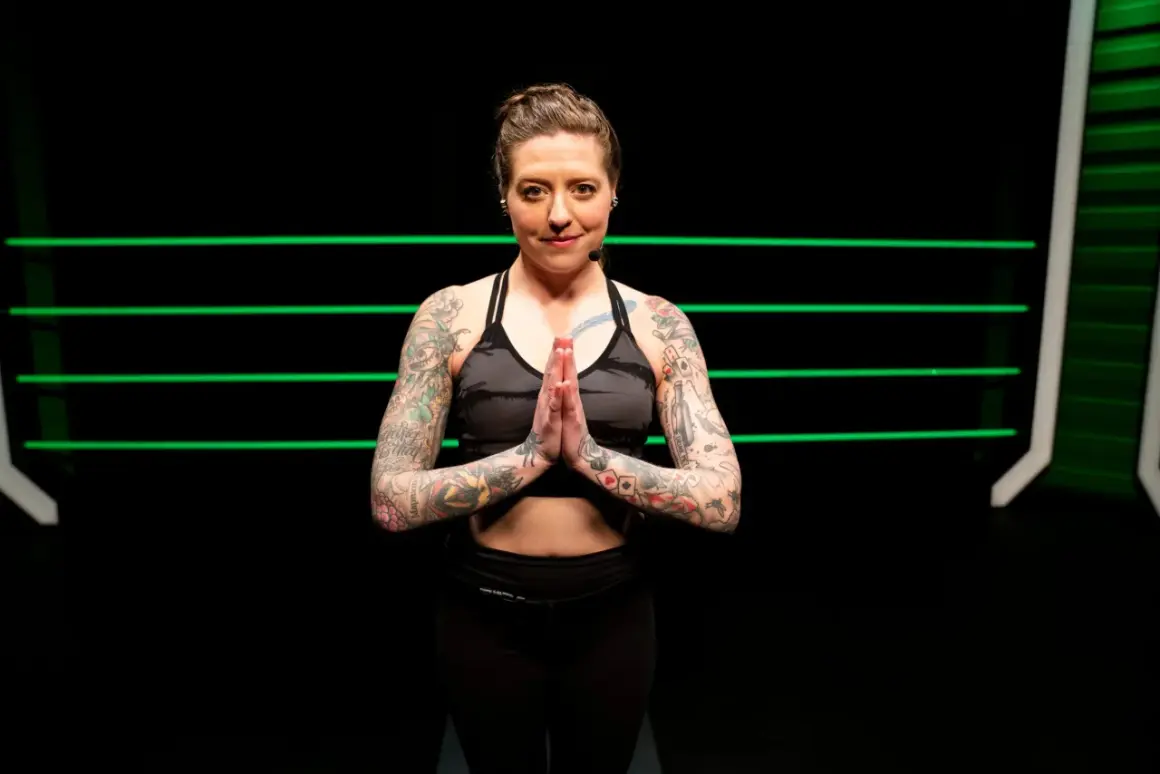
Boxers who stay loose without losing snap usually treat mobility as training, not decoration. The right yoga practice can open the hips, restore the shoulders and thoracic spine, and calm the nervous system after hard rounds, which matters when you still need to move cleanly late in a session.
This article breaks down which movements actually help, how to place them into a fight week, and where they fit alongside strength work, sparring, and recovery. Yoga for boxers should make your mechanics easier to express, not turn conditioning into a flexibility contest.
The fastest way to make mobility useful for boxing
- Use yoga to support usable range of motion, not just passive flexibility.
- The biggest wins usually come from the hips, thoracic spine, shoulders, ankles, and breathing.
- Short post-training sessions of 10 to 15 minutes are often enough after bags or sparring.
- On recovery days, 20 to 30 minutes works better than forcing an intense stretch session.
- Dynamic mobility before training and slower recovery work after training serve different jobs.
- If pain is sharp, one-sided, or persistent, the issue is bigger than tightness.
Why boxers need mobility that survives a hard session
Boxing demands rotation, balance, reach, recoil, and the ability to reset fast. If your hips feel jammed, your upper back is locked up, or your ankles do not let you sit into your stance, the body starts borrowing motion from the wrong places. That is when punches feel forced, slips get smaller, and the lower back or front shoulder begins doing work it should not have to do.
That is why I care more about active range than pretty stretching. Active range means you can own a position, breathe in it, and still generate force without collapsing. In practical terms, that is the difference between a fighter who can reach into a long jab and recover cleanly, and a fighter who can only get long when they are completely relaxed.
Yoga is useful here because it can train mobility without turning the body off. A good sequence teaches control near end range, which is exactly what boxing asks for when you are rotating, defending, and coming back into stance under fatigue. Once that is clear, the next question is which styles and movements give the best return.
The movements I would prioritize first
Not every yoga style earns its place in a boxer’s week. Some sessions are too passive for a fighter who needs usable movement, while others are too aggressive before speed work. I usually sort them by job instead of by trend.
| Style | Best use | Why it helps boxers | My take |
|---|---|---|---|
| Mobility flow | Warm-up or post-training reset | Links hip, spine, and shoulder movement without losing structure | This is my default choice for fighters |
| Gentle vinyasa | Light conditioning day | Keeps you moving while reinforcing coordination and rhythm | Good when you want flow, not fatigue |
| Yin | Recovery day or evening cooldown | Useful for longer holds in the hips, adductors, and ankles | Helpful, but not ideal right before explosive work |
| Restorative yoga | After sparring or during a deload | Helps downshift breathing and nervous system arousal | Best when the body is beat up |
Hips and groin
Boxers live on hip turn, stance width, and the ability to shift weight without wobbling. Low lunges, lizard variations, 90/90 switches, and supported pigeon work well because they open the hip flexors, adductors, and external rotators without forcing the joint. The key is to stay tall enough to keep the spine organized instead of collapsing into the front hip.
I also like 90/90 transitions because they do more than stretch. They make you move between positions, which is closer to what happens when you pivot, step off the line, or change levels after a combination.
Thoracic spine and shoulders
The thoracic spine is the mid-back, and it should handle most of the rotation your lower back keeps trying to steal. Thread-the-needle, open books, puppy pose, and gentle twists help restore that rotation, while wall slides and downward-dog variations support the shoulders and scapulae. That matters for a guard that stays compact, a jab that returns fast, and a lead shoulder that does not flare out under fatigue.
If your shoulders feel pinched, I would be conservative with deep overhead work. Fighters often chase range where they really need control. A cleaner line of motion usually beats a bigger-looking one.
Read Also: Punch Harder - Muscles That Boost Punching Power
Ankles and feet
Ankle stiffness shows up quickly in boxing footwork. If you cannot load the front foot or let the heel settle enough, balance and pivoting become expensive. Calf stretches, squat holds with support, ankle circles, and downward-dog pedal work are simple, but they matter because they improve the base your punches and head movement sit on.
Strong feet do not come from stretching alone, so I like to pair ankle work with a few minutes of barefoot balance or controlled calf raises when the session is supposed to do more than relax you. That leads naturally into the part most fighters want: a routine that fits between hard sessions.
A simple routine that works after bags, pads, or sparring
If I had to build one repeatable recovery sequence for a boxer, I would keep it short, calm, and consistent. The goal is not to leave the session exhausted. The goal is to reduce stiffness, restore breathing, and make the next training block feel less expensive.
- 2 minutes of nasal breathing in child’s pose, constructive rest, or on your back with feet elevated. Slow the exhale and let the ribs settle.
- 2 minutes of cat-cow and thoracic rotations to wake up the spine without forcing depth.
- 3 minutes of hip opening with low lunge, half-kneeling reach, or 90/90 transitions, about 45 seconds per side.
- 3 minutes of adductor and groin work using lizard, frog, or a wide squat hold with support under the heels if needed.
- 2 minutes of shoulder and upper-back mobility through thread-the-needle, wall slides, or a gentle chest opener on the floor.
- 2 minutes for ankles and calves with a downward-dog pedal, calf stretch, or supported squat rocking.
- 2 minutes to finish in legs-up-the-wall or another quiet position so the breathing rate comes down.
The whole thing can fit inside 15 minutes. If a session needs to be done before training, I would make it more dynamic and shorten the holds. If it is after sparring or lifting, I would slow it down and keep the effort below the point where you start trembling or chasing depth. If it feels like a workout, it is probably too much for a cooldown.
That brings up timing, because the same movement can help or hurt depending on when you use it.
When to do it during a fight week
A boxer’s week is rarely uniform. Some days are heavy on sparring and impact, others are built around skill work or strength. Yoga fits best when it respects that load instead of pretending every day is the same.
| Training situation | Best yoga dose | Focus | Why it works |
|---|---|---|---|
| Hard sparring day | 10 to 15 minutes after training | Breathing, hips, shoulders, gentle spine rotation | Helps downshift the nervous system and reduce next-day stiffness |
| Bag or pad day | 8 to 12 minutes after training | Thoracic mobility, hip openers, ankles | Restores range without adding much fatigue |
| Recovery day | 20 to 30 minutes | Slower holds, breath work, supported positions | Best chance to improve mobility without rushing |
| Before speed or power work | 5 to 8 minutes | Dynamic mobility only | Keeps you warm without dulling output |
| Fight week | Very light, familiar sessions only | Breathing, easy flow, no new positions | Avoids soreness, irritation, or overdoing a stretch you do not need |
My rule is simple: use more movement when you are cold and more calm when you are cooked. Early in the week, a boxer can usually handle a bit more mobility work. As sparring intensity climbs, the session should get shorter and more familiar. The more you drift toward fight week, the less you want novelty.
Once the timing is right, the next risk is not doing too little. It is doing the wrong kind of work and calling it recovery.
Mistakes that make yoga less useful for fighters
- Chasing extreme flexibility. More range is not automatically better if you cannot control it in stance or under contact.
- Doing long static holds before explosive work. That can make some athletes feel flat when they need pop, especially before pads, bag work, or sprints.
- Forcing the lower back to create rotation. If the hips and thoracic spine are stiff, the lumbar spine usually pays the price.
- Ignoring breathing. If you keep your jaw clenched and breathe shallowly, you miss one of the biggest recovery benefits.
- Trying a new deep stretch during a hard camp week. New positions can leave you sore in places boxing does not need to be sore.
- Using yoga to cover up load management problems. If your shoulders and hips are constantly angry, the training plan may be the real issue.
I also see fighters turn every mobility session into a test of pain tolerance. That is not discipline; it is noise. The useful version of yoga leaves you moving better, not limping into the next session.
That is why I care less about dramatic-looking poses and more about the small signs that your body is actually recovering.
What I would keep in a boxer’s recovery stack
If I had to build a simple system, yoga would sit beside sleep, hydration, food, and smart workload management rather than replacing them. The best sign that it is working is not whether you can sit deeper in a stretch. It is whether your first warm-up round feels easier, your shoulders return to guard without a pinch, and your hips rotate without your lower back taking over.
- Use 5 to 8 minutes of dynamic mobility before skill work.
- Use 10 to 15 minutes of yoga-style cooldown work after hard sessions.
- Use 20 to 30 minutes once or twice a week on recovery days.
- Keep the exercises familiar during sparring weeks.
- Back off and get assessed if pain is sharp, one-sided, or keeps returning.
That is the version that earns its place in boxing conditioning: enough mobility to move cleanly, enough recovery to stay fresh, and enough restraint not to blunt speed. Used well, this approach makes the rest of training easier to absorb, which is exactly what a boxer needs when the rounds get longer and the pace gets uglier.