Boxing looks straightforward until the rules start deciding close rounds, knockdowns, and stoppages. These boxing facts focus on the rule details that matter most in a real bout: how judges score rounds, what the referee can do, which fouls cost points, and why U.S. amateur and professional events do not always play by the same script. If you care about the sport beyond highlights, understanding the rules is the difference between watching a fight and reading it correctly.
These are the rules that decide most close fights
- Professional U.S. boxing usually follows the Unified Rules, with three judges and one referee controlling the bout.
- The 10-point must system is the scoring core: 10-9 is common, 10-8 appears after knockdowns or a dominant round.
- The referee is the sole arbiter in the ring and can stop the contest for safety at any time.
- There is no standing eight count and no three-knockdown rule under the Unified Rules.
- Intentional fouls can trigger point deductions, disqualification, or a technical result if the injury stops the fight.
- Amateur boxing under USA Boxing follows a separate 2026 rulebook, so format details can differ from pro bouts.
The referee is the real authority in the ring
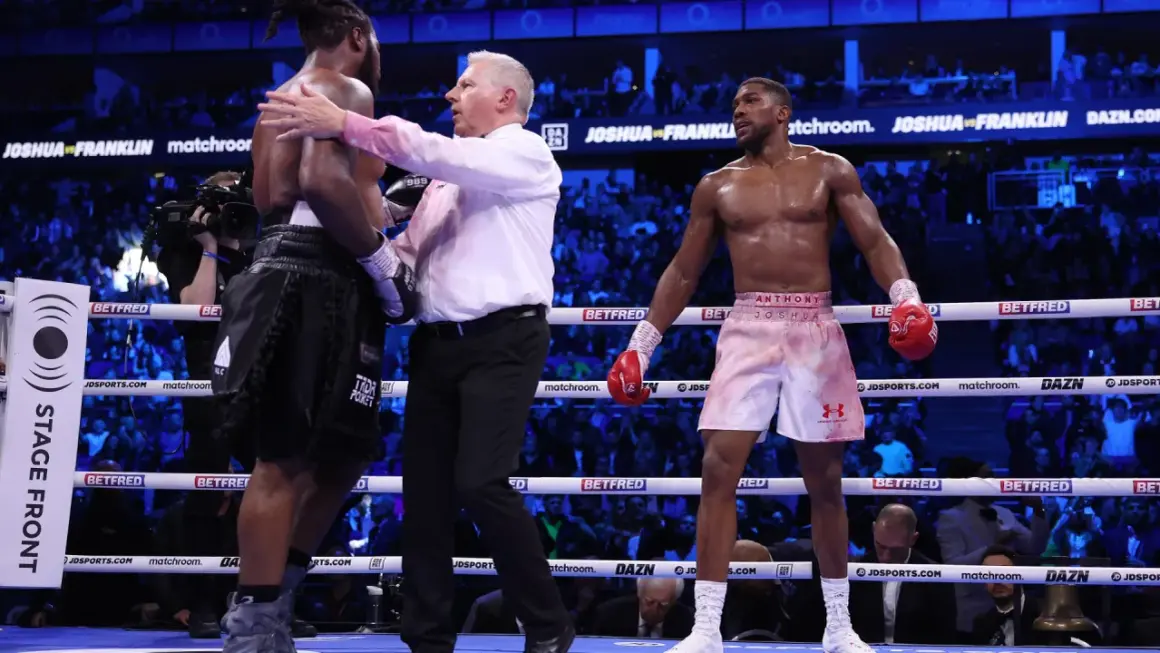
When I explain boxing to newer athletes, I start here: the referee is not a background official. According to the Association of Boxing Commissions, the referee is the sole arbiter of the bout, which means that person controls safety, counts knockdowns, manages fouls, and makes the final call on whether a fight continues.
That matters more than most fans realize. A boxer can be winning on the cards and still lose by stoppage if the referee believes the fighter is no longer able to defend himself or herself intelligently. Ringside doctors can advise, but they do not override the referee in the moment.
The practical takeaway is simple: ring control is not just about landing punches. It also means listening, resetting quickly, and never assuming that a dramatic round is automatically under control. Once you know who has the final say, the next question is how the round itself gets scored.
How the 10-point must system really works
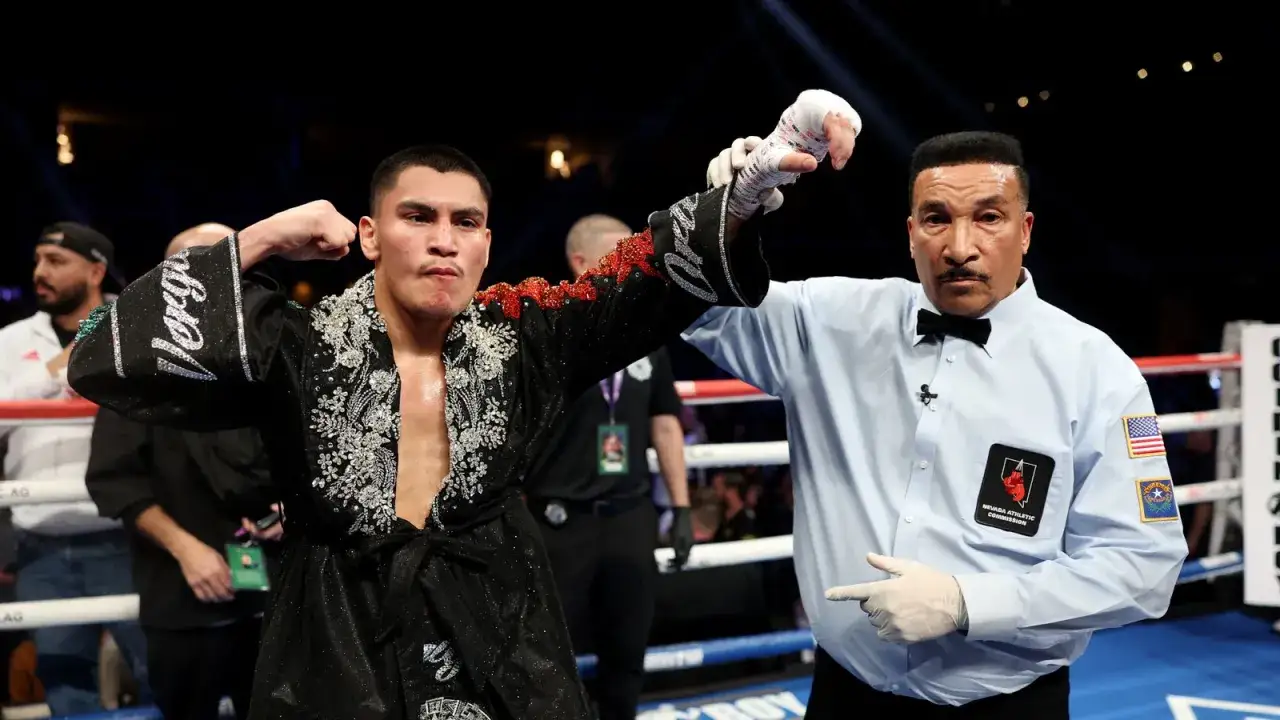
U.S. professional bouts are generally scored by three judges, and each judge scores every round independently. According to the Association of Boxing Commissions, the key criteria are clean punching, effective aggressiveness, ring generalship, and defense. In plain English, judges are supposed to reward the boxer who lands the better work, controls the pace, and makes the fight look effective rather than merely busy.
| Scoring factor | What it means in practice | Why it matters |
|---|---|---|
| Clean punching | Sharp, legal shots that land clearly | Quality usually beats volume |
| Effective aggressiveness | Pressuring while still landing meaningful offense | Walking forward alone is not enough |
| Ring generalship | Controlling distance, pace, and position | Forcing your preferred fight often wins close rounds |
| Defense | Making the opponent miss, block, or pay for attacks | Good defense can swing a tight round |
In most fights, a round ends up 10-9. A knockdown usually pushes it toward 10-8, and a completely dominant round can also score 10-8 even without a knockdown. Two knockdowns can move a round to 10-7, and truly one-sided rounds sometimes go that way in practice. I usually tell fighters not to chase busyness; judges are not supposed to score shadow activity, they are supposed to score effect.
That scoring logic is the backbone of the sport, but it gets even more interesting when one clean punch changes the entire shape of a round.
Knockdowns change the math faster than most fans expect
A knockdown is not just a dramatic visual. Under the Unified Rules, a knockdown can happen when a boxer touches the canvas with anything other than the feet, is held up by the ropes, or hangs on the ropes without being able to defend properly. Once that happens, the referee starts a count and the opponent must move to a neutral corner.
There is no standing eight count in the ABC Unified Rules, and there is no three-knockdown rule either. That means the referee does not give a special “standing” recovery count just because a fighter looks rattled, and a boxer is not automatically saved after three trips to the canvas. The referee’s job is to assess safety, not to preserve a round for the sake of drama.
| Situation | What the rule says | Why it matters |
|---|---|---|
| Clean knockdown | The referee issues the count and the score usually shifts | One moment can flip a close round |
| Knocked out of the ring | A 20-second count applies | Rare, but it can end a chaotic exchange fast |
| Saved by the bell | A boxer who has been knocked down cannot be saved by the bell | A late shot can still end the fight |
| Both boxers go down | The count continues as long as one fighter is still down | If both remain down, the result can become a technical draw |
There is another detail people miss: if a boxer gets up and immediately drops again without taking a legal shot, the referee can resume the count where it left off. That is one of those small rule facts that tells you how much of boxing is about procedure, not just power.
Once you understand knockdowns, fouls make more sense too, because the biggest penalties often come from actions that break rhythm rather than from obvious dirty fighting.
The fouls that can swing a fight on one call
Boxing fouls are broader than many casual fans think. Under the Association of Boxing Commissions guidelines, common fouls include hitting below the navel or behind the ear, holding and hitting, deliberate clinching, pushing an opponent into the ropes, headbutting, rabbit punches, hitting on the break, and intentionally spitting out the mouthpiece.I usually tell fighters that the worst fouls are not always the loudest ones. The real damage often comes from repeated small violations: leaning, tying up, hitting late, or forcing the referee to keep stepping in. Those habits can cost warnings, then points, and eventually the round or even the fight.
| Foul type | Typical penalty | What can happen next |
|---|---|---|
| Accidental low blow | Recovery time of up to 5 minutes | If the boxer cannot continue, the result follows the accidental-foul rule |
| Intentional foul with injury | Mandatory 2-point deduction if the bout continues | Can become a disqualification or technical result |
| Repeated holding or clinching | Warnings, then point deductions | Can change the scoring of a close round |
| Hitting on the break or after the bell | Referee warning or deduction | Can trigger a harsher response if it is repeated or deliberate |
| Rabbit punches and headbutts | Point deductions, possible disqualification | Injuries here often force a stoppage |
If an accidental foul causes a serious injury and the fight stops before the required number of rounds are completed, the result can be a no decision. If the stoppage happens later, it can become a technical decision based on the cards. That is why a boxer who is cut or stunned by a foul should not assume the night is automatically over or automatically safe; the round count matters.
Those details also explain why amateur and professional boxing can feel like different sports, even when the gloves and ring look the same.
Why amateur and professional boxing feel different in the U.S.
In the United States, professional bouts are generally run under the Unified Rules, while amateur boxing follows USA Boxing’s current rulebook, which is effective January 1, 2026 and was updated in 2026. That difference is bigger than paperwork. It affects bout structure, age divisions, and the way officials frame competition.
In practical terms, amateur boxing tends to reward cleaner scoring habits and event-specific structure, while professional boxing places more weight on sustained effectiveness over longer rounds. The rhythm is different, the tolerance for risk is different, and the tactical tradeoffs are different. A boxer who looks sharp in one setting can look inefficient in the other if the style does not match the rule environment.
That is why I tell athletes who cross over between the two to read the event sheet, not just assume their gym habits will travel unchanged. A small rule difference can change how you pace your feet, how often you clinch, and how aggressively you spend energy early.
And if you care about the sport from a fan perspective, this is where the really useful details stop being trivia and start becoming a way to read the action properly.
The rule details that smart boxers build into every round
When I coach or analyze a fight, I look for the habits that keep a boxer safe from the rulebook as much as from the opponent. The fighters who stay out of trouble usually do a few things consistently:
- They return to the neutral corner immediately after a knockdown instead of admiring their work.
- They keep the mouthpiece in place and stop arguing with the referee mid-exchange.
- They break clinches early enough to avoid repeated holding warnings.
- They keep punches clean when fatigue rises, because tired punches become sloppy punches.
- They do not rely on a bell to erase damage or a rough moment.
- They understand that a late knockdown can outweigh several minutes of low-level activity.
The most useful boxing facts are the ones that change how you train, not just how you talk about fights. If you remember that judges reward clean, effective work, referees control safety, and fouls can rewrite a round in seconds, you will understand boxing at a much higher level than most casual viewers. That is the real edge: not memorizing trivia, but knowing which details actually decide the night.